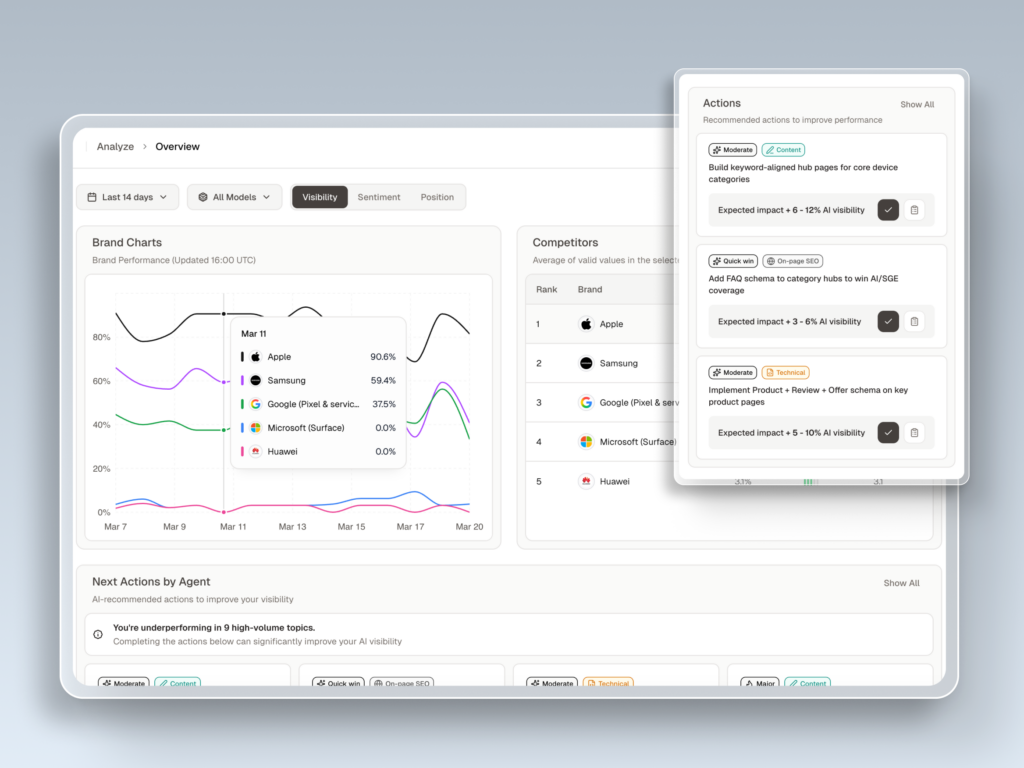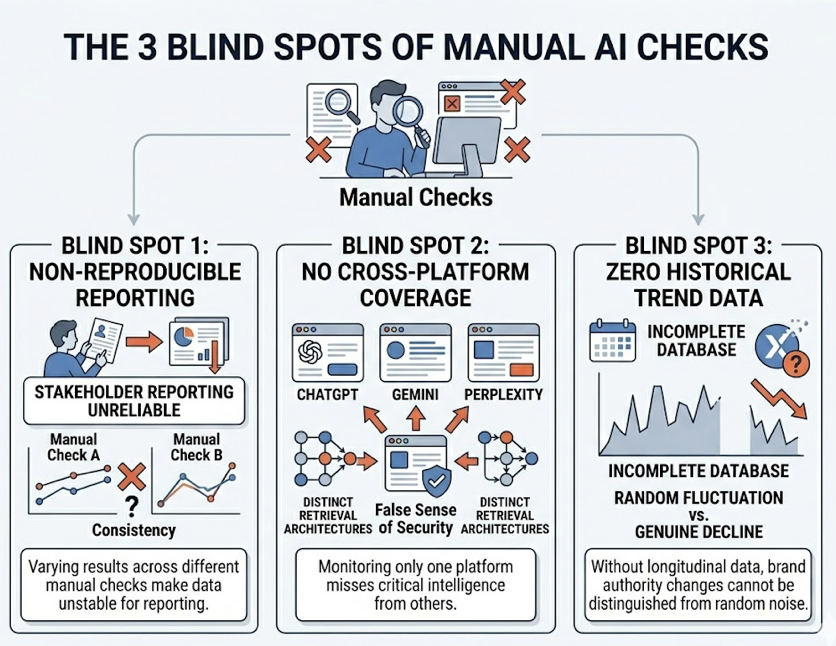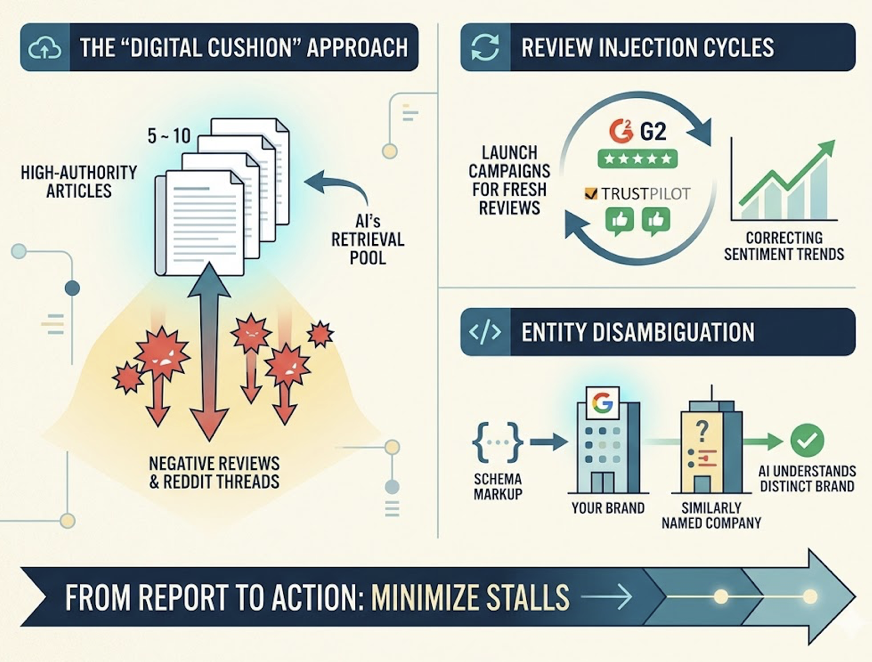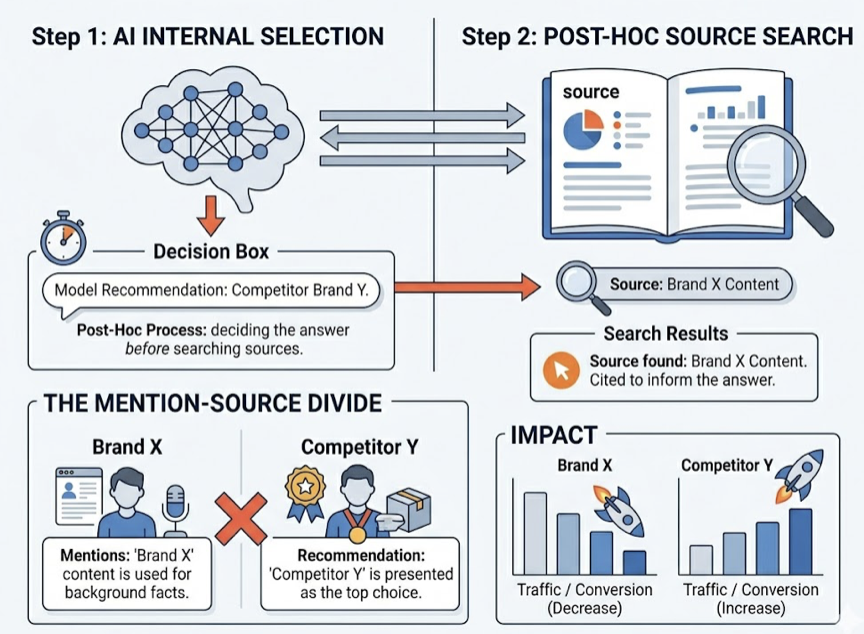
Blog

  • How To Choose Best AI Visibility Provider

    Comparing Accuracy: Topify vs. Traditional Trackers

    When strictly analyzing data accuracy and methodology, how do the leading platforms compare?

    Topify: The Statistical Approach

    Topify treats AI monitoring as a data science problem. Instead of a single snapshot, it analyzes the likelihood of citation. It excels in:

  • Prompt Permutations: Testing various ways a user might ask the same question to ensure robust tracking.

  • Hallucination Detection: Flagging when an AI cites your brand for the wrong reasons.

  • Weighted Share of Voice: Giving more weight to citations in the first paragraph versus the conclusion.

  • Profound: The Historical Data Approach

    Profound is excellent for enterprise-grade historical data. Their accuracy comes from volume. They track a massive database of keywords over long periods, allowing for trend analysis that smooths out daily anomalies. However, this often comes with a delay in “real-time” reporting compared to agile tools.

    Otterly.ai: The Lightweight Monitoring Approach

    Otterly provides a binary “Yes/No” on visibility. While useful for quick checks, it may lack the granular accuracy needed to distinguish between a “passing mention” and a “primary recommendation.”

    For a broader look at the landscape, see our review of the 10 best AI search visibility tools.

    Data Security and Compliance Considerations

    When choosing the best AI visibility provider, accuracy isn’t the only factor. Security is paramount, especially if you are inputting sensitive brand data or proprietary content for analysis.

  • Data Retention: Does the tool store your prompts?

  • Training Data: Does the tool use your data to train its own models? (Topify does not).

  • Compliance: Look for GDPR and CCPA compliance statements.

  • Feature Comparison of Top AI Visibility Providers

    The following table highlights the technical differences that impact monitoring accuracy.

    Feature

    Topify

    Profound

    Otterly.ai

    Semrush

    Accuracy Methodology

    Probabilistic Sampling

    Historical Aggregation

    Snapshot

    SERP Parsing

    Sentiment Engine

    Advanced NLP

    Standard

    Basic

    None

    Hallucination Check

    Real-Time Updates

    Delayed

    Varies

    Citation Context

    Full Semantic Analysis

    Keyword Match

    Keyword Match

    Link Match

    Price Point

    Mid-Range ($$)

    Enterprise ($$$$)

    Budget ($)

    Mid-High ($$$)

    Steps to Validate a Provider’s Data

    Don’t just take their word for it. When running a Proof of Concept (POC) with a potential best AI visibility provider, perform these validation tests:

    The “Incognito” Test

    Run a prompt in the tool (e.g., “Best CRM”). Simultaneously, run the same prompt in a clean, incognito browser window on ChatGPT and Perplexity.

  • Result: They won’t match 100% (due to AI variance), but if the tool says you are #1 and ChatGPT doesn’t mention you at all across 5 tries, the tool’s accuracy is suspect.

  • The “Negative Sentiment” Test

  • How To Optimize Content For AI Search Engines Guide

    Step 1: Auditing Brand Entity Confidence with AI Analysis

    The first step in any GEO strategy is not writing new content, but auditing how AI models currently perceive your brand. In the eyes of an LLM, your brand is not a “website”—it is an “Entity” (a distinct node in its knowledge graph).

    If the AI does not understand who you are (Entity Recognition) or does not trust you (Entity Authority), it will never cite you, no matter how good your keywords are.

    How to Conduct an Entity Audit

    You need to perform a “Sentiment and Hallucination Check” across the major models.

  • Prompt Engineering for Audits:

    1. Identity Check: “Who is [Your Brand]? What industries do they serve?”

    2. Competitor Association: “Who are the top competitors of [Your Brand]?”

    3. Reputation Check: “What are the pros and cons of using [Your Brand]?”

    4. Identifying Hallucinations: Does the AI invent products you don’t sell? Does it confuse you with a competitor? This usually indicates a lack of consistent training data on the open web.

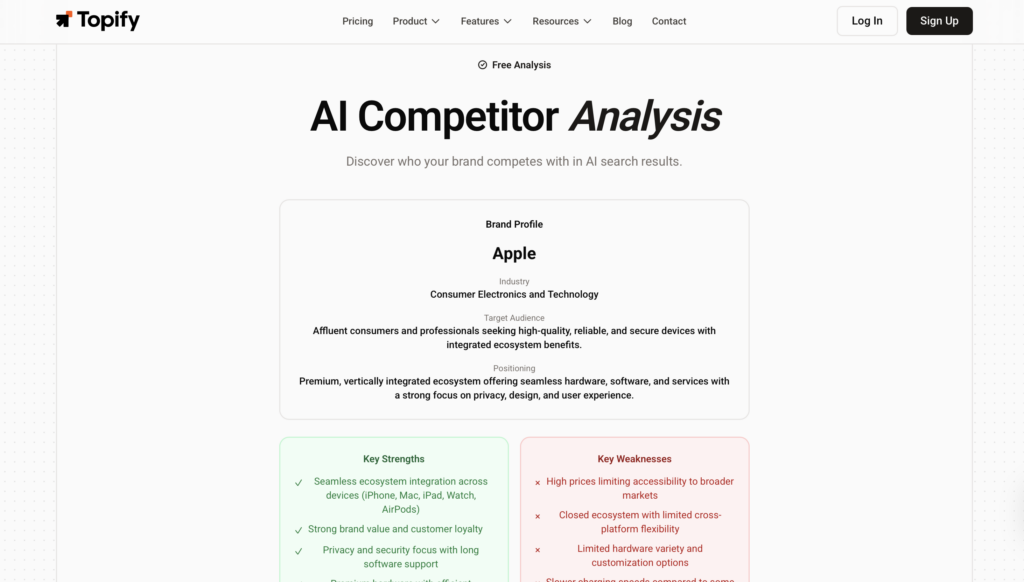
    5. Using Automated Solutions: Manual prompting is slow. Platforms like Topify automate this process, running thousands of queries to determine your “Entity Confidence Score.” Using the best tools for optimizing content for AI search engines allows you to spot these gaps instantly.

    6. Pro Tip: If the AI hallucinates, update your “About Us” page, Wikipedia (if applicable), Crunchbase, and LinkedIn profiles with identical, factual boilerplate text. Consistency trains the model.

      Step 2: Structuring Content for RAG and Machine Readability

      Retrieval-Augmented Generation (RAG) systems are notoriously “lazy” and computationally expensive. They have a limited “Context Window.” If they have to parse through 3,000 words of storytelling to find a pricing tier, they will often skip the citation entirely.

      To optimize content for AI search engines, you must adopt a modular, semantic content structure.

      The “Direct Answer” Protocol

      Google’s AI Overviews and Perplexity prioritize content that answers questions immediately.

    7. Action: Every H2 header that asks a question (e.g., “What is GEO?”) must be immediately followed by a 40-60 word definition.

    8. Format: Subject + Verb + Predicate. Avoid starting with “In today’s fast-paced world…” Start with “GEO is…”

    9. Semantic HTML Architecture

      Your HTML tags are roadsigns for the AI.

    10. Lists (<ul>, <ol>): AI models love lists. They are easy to tokenise and extract. Use them for features, steps, or benefits.

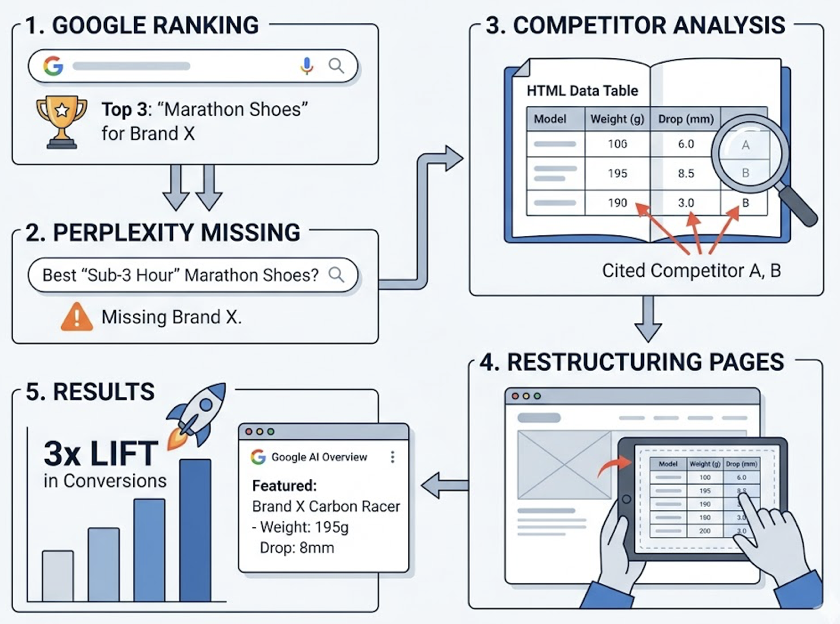
    11. Data Tables (<table>): Tables are the single most effective way to win citations for “comparison” queries. LLMs can ingest a table row-by-row and generate a “Best X vs Y” answer.

    12. Schema Markup: Implement distinct JSON-LD schema for Article, FAQ, Product, and Organization. This feeds the AI structured data directly, bypassing the need for complex parsing.

    13. Step 3: Boosting Fact Density and Information Gain

      Search engines have historically rewarded “content length” (the 2,000-word blog post). However, OpenAI and Google now prioritize content with high “Information Gain.”

      Information Gain refers to content that provides new facts that do not exist elsewhere in the model’s training data.

      Understanding Fact Density

      Fact Density is the ratio of unique “facts” (entities, numbers, proper nouns, relationships) to total words.

    14. Low Density (The Fluff): “Choosing the right software is important. It helps you save time and grow your business efficiently.” (Zero unique facts).

    15. High Density ( The Signal): “Topify’s Q3 2026 report indicates that B2B brands using GEO strategies saw a 27% increase in Share of Voice on Perplexity.” (High specific facts).

    16. Strategy for Increasing Information Gain

    17. Original Data: Publish proprietary surveys or user data. AI cites “According to [Brand]…”

    18. Expert Quotes: Include quotes from recognized industry entities.

    19. Specific Metrics: Replace “fast” with “200ms latency.” Replace “many” with “5,000+ users.”

    20. Using the best tools for optimizing content for AI search engines can help you measure the fact density of your competitors and ensure your content exceeds theirs.

      Step 4: Building Co-occurrence and Citation Authority

      In traditional SEO, you build backlinks (PageRank). In GEO, you build Co-occurrence and Citation Authority.

      You want LLMs to statistically associate your brand entity with specific keyword vectors (e.g., “Topify” $$\leftrightarro$$ “AI Search Visibility”).

      The “Digital PR” Strategy for AI

    21. Unlinked Mentions Matter: Unlike Google, which relies heavily on hyperlinks, LLMs learn from text. A mention of your brand in a high-authority publication (like TechCrunch or a major industry report) trains the model that you are a relevant player, even without a link.

    22. Best AI Search Visibility Tools For Tracking Brand Presence

      Quick Verdict: Top 3 Platforms for Tracking AI Mentions

      If you are short on time, here are the top recommendations based on our testing:

    23. Best for Growth & Strategy: Topify (Combines metrics with content generation).

    24. Best for Enterprise Attribution: Profound (Deep integration with BI tools).

    25. Best for Tight Budgets: Otterly.ai (Simple, no-frills monitoring).

    26. Comprehensive Review of the Best AI Search Visibility Tools

    27. Topify – The “Operating System” for AI Search

    28. Best For: Growth teams, Content Marketers, and Agencies requiring actionable strategy.

      Topify is not just a passive monitor; it is an active optimization platform. While most tools simply tell you “you aren’t visible,” Topify helps you fix it. It is built on the philosophy that monitoring brand visibility in AI is useless without the ability to influence it.

    29. Key Features:

      • Prompt-Level Tracking: Monitor hundreds of natural language queries across major LLMs.

      • GEO Content Generation: A unique feature that generates structured, “citation-ready” content drafts to fill visibility gaps.

      • Sentiment & Hallucination Detection: Flags inaccurate or negative brand mentions instantly.

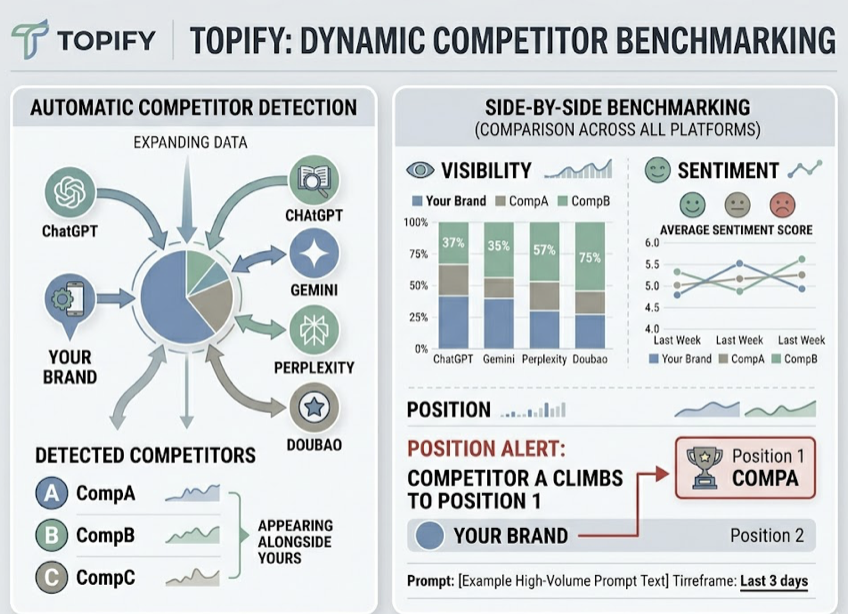
      • Competitor Benchmarking: Visualizes your SoV against key rivals.

      • Pricing: Starts at $99/mo (Basic) and $199/mo (Pro).

      • Verdict: The most balanced tool among the Best AI Search Visibility Tools for teams who want to measure and improve their standing.

      • Profound – The Enterprise Attribution Engine

      • Best For: Fortune 500 companies and large enterprises with complex attribution needs.

        Profound is a heavyweight in the sector. It focuses heavily on data granularity and historical tracking. Its primary selling point is “SEO for LLMs” at an enterprise scale, often catering to brands that need SOC2 compliance and dedicated account management.

      • Key Features:

        • Corporate-grade Share of Voice metrics.

        • Integration with Adobe Analytics and GA4 for revenue attribution.

        • Global language support.

        • Pricing: Custom Enterprise pricing (typically $4,000+/mo).

        • Verdict: Powerful, but likely overkill (and over-budget) for mid-market companies.

        • Goodie.ai – The End-to-End Optimization Suite

        • Best For: Brands looking for a managed service feel.

          Goodie.ai positions itself as a comprehensive GEO solution. They emphasize the “flywheel” effect of optimization.

        • Key Features:

          • Deep dive analytics into “Why” a brand was chosen.

          • Automated insights for content teams.

          • Pricing: Mid-to-High tier.

          • Verdict: A strong contender, though the interface can be overwhelming for beginners.

          • Otterly.ai – The “Keep It Simple” Monitor

          • Best For: Startups, Indie Hackers, and budget-conscious teams.

            Otterly removes the complexity. It answers one question: “Is ChatGPT talking about me?” It lacks the deep strategic insights or content generation of Topify, but it does the monitoring job well for a fraction of the cost.

          • Key Features:

            • Simple dashboard for brand mentions.

            • Basic sentiment tagging.

            • Slack alerts.

            • Pricing: Free tier available; paid plans start low.

            • Verdict: The perfect entry point for those dipping their toes into GEO.

            • ZipTie.dev – The Technical Validator

            • Best For: Technical SEOs and Data Scientists.

              ZipTie is created by seasoned SEO veterans and focuses heavily on the technical side of “Indexability” within AI Overviews (SGE). It helps you understand if your content is technically retrievable by the RAG systems.

            • Key Features:

              • SGE / AI Overview specific tracking.

              • Technical indexing audits.

              • Pricing: Usage-based.

              • Verdict: Essential for the technical audit phase, but less focused on brand reputation management.

              • Semrush (AI Overview Tracking) – The Transitional Choice

              • Best For: Existing Semrush users who don’t want a new tool.

                Semrush has updated its sensor and position tracking tools to detect “AI Overviews” in Google SERPs.

              • Key Features:

                • Tracks if an AI Overview triggers for your keywords.

                • Identifies if your link is cited in the carousel.

                • Limitations: It primarily tracks Google’s AI, not ChatGPT or Claude directly as independent engines.

                • Verdict: Good for tracking Google SGE, but insufficient for a full AI strategy. Read more on GEO vs SEO differences to understand why SERP tools aren’t enough.

                • Peec AI – The Competitor Spy

                • Best For: Highly competitive verticals.

                  Peec AI specializes in comparative visualization. It is excellent for showing stakeholders a “We vs. Them” chart.

                • Key Features:

                  • Visual comparison of brand presence.

                  • Snapshot reports for executives.

                  • Verdict: Great for reporting, lighter on actionable optimization features.

                  • Writesonic (GEO Mode) – The Content Writer’s Tool

                  • Best For: Writers who want to optimize as they type.

                    While primarily an AI writing assistant, Writesonic has added GEO features that analyze top-ranking AI answers to suggest content improvements.

                  • Key Features:

                    • Content scoring based on AI answer probability.

                    • Keyword/Entity suggestions.

                    • Verdict: Good for the execution phase, but lacks the monitoring capabilities of a dedicated platform.

                    • Authoritas – The Agency Scale Platform

                    • Best For: Large SEO agencies managing hundreds of clients.

                      Authoritas has integrated generative rank tracking into their massive SEO suite, allowing agencies to report on AI visibility alongside traditional rankings.

                    • Key Features:

                      • Bulk tracking of generative answers.

                      • Agency white-label reporting.

                      • Verdict: Ideal if you are already using their ecosystem.

                      • Manual “Synthetic” Testing (The DIY Method)

                      • Best For: Zero budget teams or ad-hoc research.

                        Sometimes, the best tool is a spreadsheet and a subscription to ChatGPT Plus.

                      • Method: Create a list of 50 prompts. Manually paste them into ChatGPT, Gemini, and Perplexity once a week. Record the results.

                      • Verdict: Accurate but unscalable. As you scale, you will need to automate this process to quantify AI Share of Voice effectively.

                      • Feature Comparison of Major Generative Engine Optimization Platforms

                        The following table breaks down the features of the top contenders.

                        Feature

                        Topify

                        Profound

                        Otterly.ai

                        Semrush

                        ZipTie.dev

                        Best For

                        Strategy & Growth

                        Enterprise

                        Budget

                        SEO Transition

                        Technical SGE

                        $$(Mid)

                        $$$$(High)

                        $ (Low)

                        $$$ (Mid-High)

                        $$ (Usage)

                        Multi-Model

                        Yes (GPT, Gemini, Perplexity)

                        Limited (Google Focus)

                        Limited (Google Focus)

                        Sentiment

                        Limited (Basic)

                        Content Gen

                        Complexity

                        User-Friendly

                        High

                        Medium

                        High

                        Selecting the Right Solution for Your AI Brand Monitoring Strategy

                        Choosing the right software depends on where you are in your GEO journey.

                      • If you need to fix your visibility: Choose Topify. The combination of tracking and content generation means you can actually act on the data.

                      • If you just want to “watch” the numbers: Otterly.ai is sufficient.

                      • If you are a Fortune 500 CMO: You likely need the custom integrations of Profound.

                      • If you are obsessed with Google’s SGE only: Stick with Semrush or ZipTie.

                      • Remember, the goal isn’t just to buy a tool; it’s to build enterprise SEO visibility strategies that future-proof your revenue.

                        Frequently Asked Questions About AI Search Analytics

                        Q1: Can I just use Google Search Console (GSC) for this?

                        No. GSC only shows data for Google Search. It does not provide data on whether ChatGPT or Claude is recommending your brand. Even for Google’s AI Overviews, GSC data is currently limited and aggregated.

                        Q2: Why is “Sentiment Analysis” important for AI tools?

                        In traditional SEO, a link is a link. In AI search, the context matters. If ChatGPT says, “Brand A is good, but Brand B is a scam,” both are technically “visible,” but only Brand A will get customers. Tools like Topify identify these negative sentiments so you can address them.

                        Q3: How often should I track these rankings?

                        Daily or weekly. AI models are updated frequently, and RAG systems (like Perplexity) pull live data. Your visibility can fluctuate much faster than traditional SEO rankings.

                        Q4: Do these tools guarantee rankings?

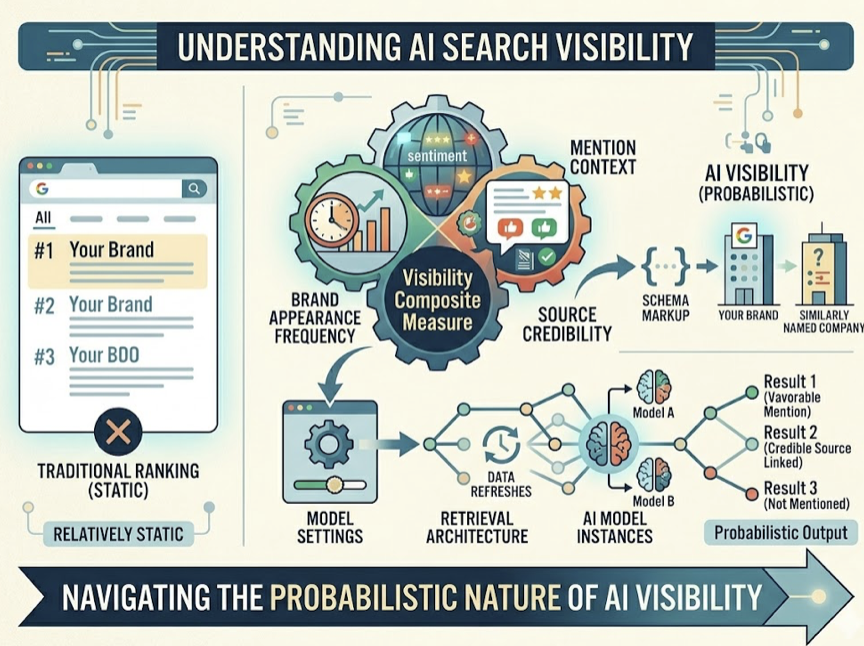
                        No tool can guarantee a ranking in a probabilistic AI model. They provide data, probabilities, and optimization levers to maximize your chances of being cited.

                        Q5: What is the difference between tracking keywords and prompts?

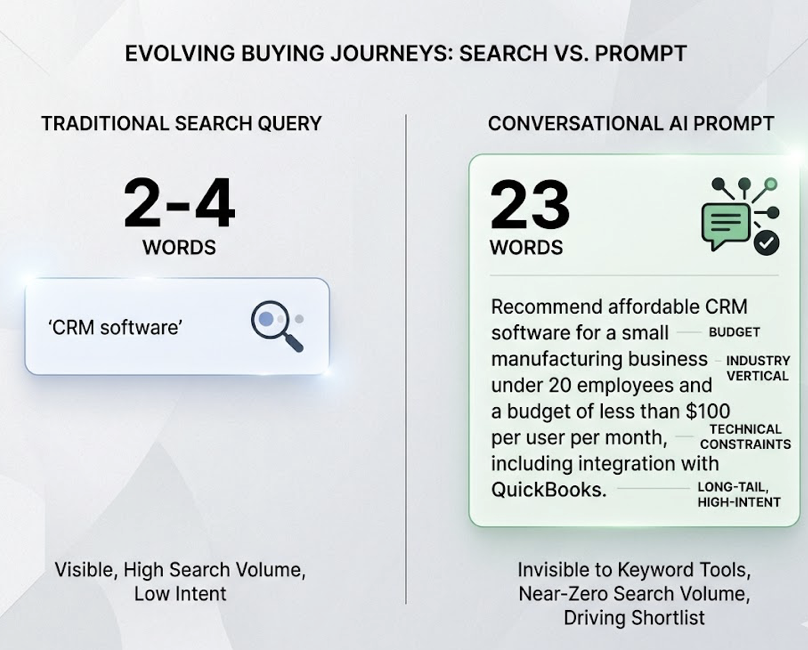
                        Keywords (best crm) are for search engines. Prompts (Compare Salesforce and HubSpot for a small creative agency) are for Answer Engines. Prompt tracking reflects real-world user behavior in chat interfaces.

                      • GEO vs SEO Difference AI Search Optimization

                        The Core Mechanism in GEO vs SEO

                        The most critical difference lies in how the “engines” process information.

                        SEO: The Retrieval & Ranking Model

                        Google’s traditional spider crawls the web, indexes pages, and ranks them based on hundreds of factors. When you search for “best CRM,” Google retrieves the pages that best match that keyword query based on authority and relevance. It is a retrieval game.

                        GEO: The Training & Inference Model

                        AI engines work differently. They don’t just “retrieve” a page; they “understand” and “reconstruct” information.

                      • Training: The LLM “reads” the internet and learns patterns (e.g., “HubSpot is often associated with Inbound Marketing”).

                      • RAG (Retrieval-Augmented Generation): When a user asks a question, the AI may search the live web (like Perplexity or Bing) to find current facts.

                      • Synthesis: The AI generates a new sentence word-by-word.

                      • Why this matters: In SEO, you can “force” a ranking by having the best backlinks. In GEO, you are influencing a probabilistic outcome. You need to convince the neural network (and tools like Topify help measure this probability) that your brand is the most trusted entity to associate with a specific problem.

                        GEO vs SEO: 5 Strategic Differences

                        To help you visualize the strategic shift, we have broken down the main GEO vs SEO differences into five core areas.

                        Goal Differences: Traffic vs. Share of Voice

                      • SEO Goal: Drive organic traffic to a website. Success is measured in clicks and conversions on your own domain.

                      • GEO Goal: Maximize Share of Voice (SoV) and Citation Rate. Success is when the AI answers the user’s question using your brand’s data.

                      • Targeting Differences: Keywords vs. Entities

                      • SEO: Targets “Keywords.” You optimize a page for “AI marketing tools.”

                      • GEO: Targets “Entities” and “Facts.” LLMs build a “Knowledge Graph” connecting these entities.

                        • SEO Strategy: Put the keyword in the H1 and Title Tag.

                        • GEO Strategy: Establish the relationship between “Brand X” and “Best AI Tool” through structured data and consistent brand mentions, which Topify tracks across multiple models.

                        • Content Structure in GEO vs SEO

                        • SEO: Often rewards long-form, comprehensive guides that keep users on the page.

                        • GEO: Rewards Information Gain and Structure. LLMs prefer concise, factual, and easy-to-parse data.

                          • Actionable Tip: Use comparison tables and bullet points. Topify’s content generation feature is designed specifically to create these GEO-friendly structures that trigger citations.

                          • Measurement Differences: Rank vs. Sentiment

                          • SEO: You are #1, #5, or #10. It is a linear ranking.

                          • GEO: It is multi-dimensional. You might be mentioned, but how?

                            • Sentiment: Is the AI recommending you, or warning users about your high price?

                            • Context: Are you mentioned as a “market leader” or a “cheap alternative”?

                            • The Solution: Traditional SEO tools cannot track this. You need a specialized platform like Topify to monitor Sentiment, Citation Rate, and Hallucinations. See our comparison of AI search visibility tracking tools.

                            • Technical Requirements in GEO vs SEO

                            • SEO: Core Web Vitals, Mobile responsiveness, HTTPS.

                            • GEO: Fact density, Schema markup, Brand authority signals.

                            • GEO vs SEO Comparison Table

                              The following table summarizes the operational differences between optimizing for Google Search (SEO) and optimizing for AI Answer Engines (GEO).

                              Feature

                              Traditional SEO

                              Generative Engine Optimization (GEO)

                              Primary Engine

                              Google, Bing (Legacy)

                              ChatGPT, Perplexity, Gemini, Claude

                              User Intent

                              Navigation / Retrieval

                              Solution Synthesis / Direct Answers

                              Primary Metric

                              Rankings, CTR, Traffic

                              AI Share of Voice, Sentiment (tracked by Topify)

                              Content Focus

                              Keywords, Readability

                              Entities, Facts, Data Structure

                              Success Factor

                              Being the most relevant link

                              Being the most trusted source

                              Tools Needed

                              Ahrefs, Semrush, GSC

                              Topify, Otterly, Profound

                              Why GEO vs SEO Is Not a Zero-Sum Game

                              It is crucial to understand that GEO does not replace SEO; it stands on its shoulders.

                              Most “Real-Time” AI engines (like Perplexity and Google AI Overviews) still rely on a search index to find information before processing it.

                              The “Feed the Beast” Strategy:

                            • Use SEO to ensure your content is discoverable and indexed.

                            • Use GEO (powered by Topify) to ensure that once the content is found, the AI understands it, trusts it, and prefers it over competitors.

                            • Optimizing for GEO vs SEO: 4 Actionable Steps

                              If you are ready to pivot your strategy, here is where to start using the Topify framework.

                              A. Audit Your Brand’s “Entity Confidence”

                              Ask ChatGPT: “What is Your Brand?” If the AI hallucinates, you have an Entity problem. You need to populate the web with consistent facts.

                              B. Structure Content for RAG

                              AI models are lazy. Make it easy for them.

                            • Direct Answers: Start sections with clear definitions.

                            • Data Density: Use statistics and original research.

                            • Use Topify: Use Topify’s Content Generation to automatically draft articles with the optimal structure (headings, tables, lists) that LLMs prefer to cite.

                            • C. Optimize for Citations, Not Just Links

                              In the AI era, a mention on a highly authoritative niche site is valuable because it trains the model to associate your brand with that topic.

                              D. Monitor and Adjust

                              You cannot improve what you do not measure. Traditional rank trackers are blind to AI responses.

                            • The Fix: Set up Prompt-Level Tracking in Topify. Instead of just tracking “CRM,” track “What is the best CRM for startups?” to see exactly how ChatGPT answers and whether your brand is the recommended solution. Learn more about how to monitor brand visibility in AI.

                            • The Future of GEO vs SEO

                              The difference between GEO and SEO is the difference between a library and a consultant.

                            • SEO helps you put your book on the right shelf.

                            • GEO helps you teach the consultant (the AI) what is in your book.

                            • As we move toward 2027, brands that ignore GEO risk becoming invisible. The winners will be those who use platforms like Topify to build a brand that is both technically discoverable (SEO) and semantically authoritative (GEO).

                              Ready to see how AI really sees your brand? Start tracking your AI visibility with Topify today.

                              Frequently Asked Questions (FAQ)

                              Q1: Will GEO replace SEO entirely?

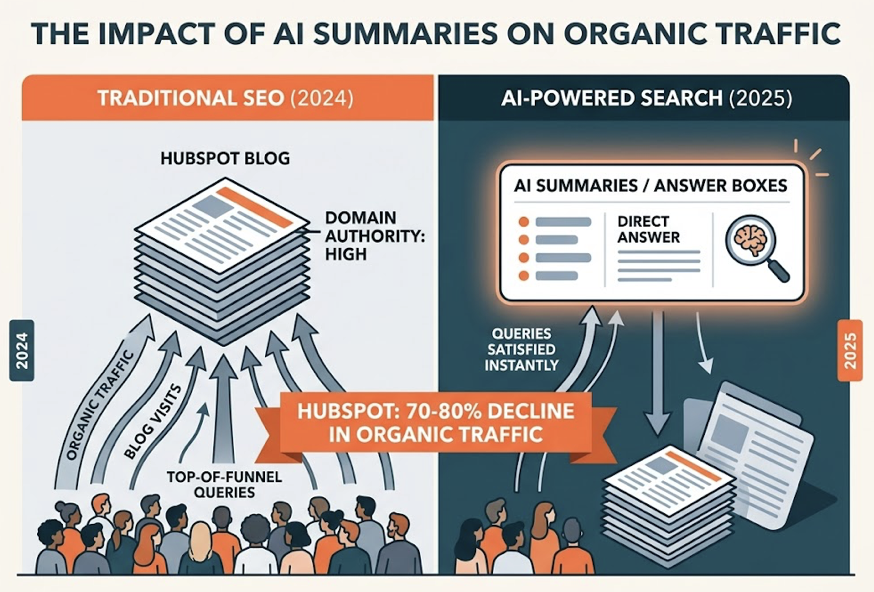
                              No. They serve different user needs. However, Topify data shows that GEO is cannibalizing “top of funnel” informational queries.

                              Q2: Can I use standard SEO tools for GEO?

                              No. Tools like Ahrefs track Google SERPs. They cannot parse a ChatGPT answer to see if your brand was mentioned positively. You need Topify to track Sentiment and Share of Voice.

                              Q3: How long does it take to see results from GEO?

                              For real-time engines (Perplexity), results can be seen in weeks. For core models (GPT-5), it takes longer. Consistent tracking helps you see these trends.

                              Q4: Is Topify just for ChatGPT?

                              No. Topify tracks visibility across ChatGPT, Perplexity, Gemini, Google AI Overviews, and Claude, giving you a complete picture.

                              Q5: What is the biggest mistake brands make in GEO?

                              Assuming keyword stuffing works. Use Topify’s optimization suggestions to focus on Entity Salience and Fact Density instead.

                            • How To Track Perplexity Rankings Over Time

                              Introduction: Tracking a Moving Target

                              If Google is a Library (stable, organized), Perplexity is a Newsroom (chaotic, fast).

                              For B2B marketers, Perplexity has become the “Research Engine” of choice. Buyers use it to find software, compare pricing, and validate claims.

                              But for SEOs, it is a nightmare to track. You might check Perplexity on Monday and see your brand listed as the #1 recommendation. On Tuesday, a competitor releases a new feature, TechCrunch writes about it, and suddenly they are #1.

                              This isn’t an algorithm update; it’s the Real-Time Web.

                              Legacy SEO tools (Ahrefs, Semrush) are too slow. They update their databases weekly or monthly. By the time they see the change, you’ve already lost the traffic.

                              To track Perplexity, you need a different methodology—one based on Volatility Management.

                              This guide outlines how to use Topify to build a robust monitoring system specifically for the high-speed environment of Perplexity AI.

                              Part 1: The Anatomy of a Perplexity Ranking

                              To track it, you must first define what “Ranking” means on this platform. It is not a list of 10 links. It is a Citation Hierarchy.

                              1.1 The “Hero” Slot (Source 1-3)

                              Perplexity displays 3-5 sources at the very top (often with logos).

                            • Metric: Top-Slot Inclusion Rate.

                            • Value: These sources drive 70% of the click-through traffic.

                            • Topify Tracking: We monitor exactly which domain owns Slot [1], [2], and [3].

                            • 1.2 The “Inline” Citation

                              Inside the text answer, Perplexity adds footnote numbers (e.g., [1]).

                            • Metric: Contextual Sentiment.

                            • Value: This drives brand perception. Even if they don’t click, they read the sentence associated with your brand.

                            • Topify Tracking: We analyze the text around the citation number to score sentiment.

                            • 1.3 The “Follow-Up” Recommendation

                              At the bottom, Perplexity suggests “Related Questions.”

                            • Metric: Follow-Up Penetration.

                            • Value: If a user asks “Best CRM,” does Perplexity suggest “How much does [Your Brand] cost?” as a next step? This indicates high Entity Salience.

                            • Decision Point: Don’t just track “Rank.” Track Slot Ownership. Use Topify’s specialized Perplexity tracker to distinguish between a Hero Slot and a buried footnote.

                              Part 2: Why Perplexity Volatility is a Feature, Not a Bug

                              Why does your ranking change so much? Because Perplexity rewards Recency.

                              2.1 The “News Injection” Cycle

                              Perplexity’s RAG (Retrieval) engine prioritizes content published in the last 24-72 hours for many queries.

                            • Scenario: You write an evergreen guide (published 2024). A competitor writes a shorter news update (published today).

                            • Result: The competitor wins Slot [1] temporarily.

                            • 2.2 The “Source Rotation”

                              Perplexity tests sources. It might rotate between G2, Reddit, and your Blog to see which one satisfies the user.

                            • Topify Data: We see an average Source Churn Rate of 40% per week for tech queries.

                            • Decision Point: You need High-Frequency Monitoring. Weekly reports are useless here. Set Topify to probe your core keywords Daily.

                              Part 3: Comparison Matrix – Tracking Methodologies

                              How does tracking Perplexity differ from tracking Google or ChatGPT?

                              Feature

                              Google Tracking

                              ChatGPT Tracking

                              Perplexity Tracking (Topify)

                              Primary Signal

                              Backlinks (Static)

                              Entities (Static)

                              Citations (Real-Time)

                              Update Cadence

                              Monthly (Core Updates)

                              Monthly (Model Updates)

                              Daily (News Cycle)

                              Volatility

                              Low (Stable)

                              Low (Stable)

                              Very High (Dynamic)

                              Tracking Focus

                              URL Position

                              Text Mention

                              Citation Slot & Source

                              Best Tool

                              Legacy SEO Tools

                              Topify (Entity Mode)

                              Topify (Citation Mode)

                              Key Insight: You cannot use the same dashboard for all engines. Perplexity requires a specific “Citation Radar” view, which only Topify provides.

                              Part 4: The “Volatility Management” Workflow

                              How do you stay on top of this chaos? Here is the Topify Workflow for Perplexity.

                              Step 1: Establish the “Stability Score”

                              Don’t panic over daily changes. Look at the 30-day trend.

                            • Action: In Topify, look at your Persistence Metric.

                            • Good: You appear in Slot [1-3] for >80% of the days.

                            • Bad: You appear on Monday but vanish on Friday.

                            • Step 2: Identify the “Winning Sources”

                              When you lose a slot, who took it?

                            • Topify Analysis: “You lost Slot [1] to a Forbes article.”

                            • Insight: Perplexity prefers Third-Party Validation for this query.

                            • Action: Don’t rewrite your blog. Pitch a story to Forbes.

                            • Step 3: The “Freshness” Pulse

                              If your Stability Score drops, your content is stale.

                            • Action: Update the “Last Modified” date on your page and inject a new statistic.

                            • Verification: Use Topify to probe immediately. Did you regain the slot?

                            • Decision Point: Stop fighting the volatility; manage it. Use Topify’s monitoring tools to identify when a “Freshness Update” is required.

                              Part 5: Case Study: “SaaS-Security” Fixes a Negative Cycle

                              SaaS-Security (pseudonym) noticed a dip in leads. Google rankings were stable.

                              5.1 The Perplexity Discovery

                              Using Topify, they found that for the query “Is [Brand] safe?”, Perplexity was citing a 2-year-old Reddit thread as Source [1]. The sentiment was negative.

                              5.2 The Volatility Opportunity

                              Because Perplexity loves freshness, they knew they could displace the old Reddit thread.

                              5.3 The Fix

                            • They published a new “2026 Security Audit Report” (PDF) on their site.

                            • They issued a press release summarizing the report.

                            • 5.4 The Result

                            • Timeframe: 48 Hours.

                            • Outcome: Perplexity picked up the Press Release and the PDF. The old Reddit thread was pushed to Slot [5].

                            • Topify Score: Sentiment flipped from Negative to Positive.

                            • Lesson: On Perplexity, you are only as good as your latest news. Speed wins.

                              Part 6: Why Topify is the “Only” Tool for Perplexity

                              Many tools claim to track AI. But tracking Perplexity requires specific technical capabilities that generic scrapers lack.

                            • Citation Parsing

                            • Topify doesn’t just read the text; we parse the Metadata. We know that [1] refers to example.com. Generic text analyzers miss this connection.

                            • Daily Elastic Probing

                            • We offer high-frequency probing options specifically for Perplexity, allowing you to catch “News Spikes” that happen mid-week.

                            • Source Attribution

                            • We tell you where your authority is coming from. Is it your blog? Or is it your PR? This helps you allocate budget between Content and PR.

                              Conclusion: Monitor the Pulse, Not Just the Position

                              Tracking Perplexity is not like tracking a statue; it is like tracking a heartbeat. It moves constantly.

                              If you look at a static report once a month, you are seeing a dead metric.

                              To win in the Citation Economy, you need a live radar. You need to know when you are cited, who cited you, and when you are replaced.

                              Topify is that radar. We give you the real-time intelligence to navigate the fastest-moving search engine in the world.

                              FAQ: Perplexity Tracking

                              Q: Can I track Perplexity “Pro” vs “Free”?

                              A: Yes. Perplexity Pro uses different models (like Claude 3 or GPT-4). Topify allows you to select the specific model backend to ensure you are seeing what your premium buyers see.

                              Q: How do I improve my Perplexity ranking quickly?

                              A: Freshness is the fastest lever. Publishing a new data report or getting a news mention can improve your standing in Perplexity within 24 hours, unlike Google which takes weeks.

                              Q: Does Topify track the “Follow-up” questions?

                              A: Yes. We analyze the suggested follow-up questions to see if your brand is part of the user’s discovery journey. This is a key metric for quantifying AI Share of Voice.

                              Q: Why is my Perplexity traffic lower than Google?

                              A: Perplexity users are “Lower Funnel.” They search less, but convert more. A single click from a Perplexity Citation is often worth 5x a generic Google click. Measure quality, not just volume.

                            • How AI Rank Tracking Works Measuring Rankings In Answers

                              Introduction: The “Rank” is Dead. Long Live the “Score”.

                              For 25 years, an SEO’s job was to move a URL from Rank #11 (Page 2) to Rank #1 (Page 1). The metric was absolute.

                              In 2026, you open a report for ChatGPT and see:

                              “Your brand was mentioned in the second paragraph, third sentence, as a ‘cost-effective alternative,’ but without a direct link.”

                              What rank is that? Is it #3? Is it #10?

                              If you are using a legacy SEO tool, it will likely report “Not Found” because it’s looking for a blue link that doesn’t exist.

                              The reality is that Generative Engine Optimization (GEO) requires a new system of measurement. We are no longer measuring “pixels from the top”; we are measuring “Share of Attention.”

                              To optimize for AI, you must understand how the scoring works under the hood.

                              This guide pulls back the curtain on how Topify measures rankings inside the unstructured, chaotic, and fascinating world of AI-generated answers.

                              Part 1: The Geometry of an AI Answer

                              To measure a ranking, we first have to map the terrain. An AI answer is not a list; it is a Narrative Structure.

                              1.1 The “Prime Real Estate” (The First 50 Tokens)

                              Topify analysis shows that 65% of user attention is focused on the first sentence (the “Direct Answer”).

                            • Topify Measurement: If your entity appears here, we assign a Position Score of 100.

                            • Example: “The best CRM for small business is HubSpot.”

                            • 1.2 The “Comparative Middle” (The List/Table)

                              Often, the AI will generate a bulleted list or a comparison table in the middle of the response.

                            • Topify Measurement: We parse the HTML structure (<ul>, <table>). If you are in the first row or first bullet, you get a Position Score of 80.

                            • Example: “Other top options include Salesforce and Zoho.”

                            • 1.3 The “Nuanced Footer” (The Caveats)

                              At the end, the AI often adds warnings.

                            • Topify Measurement: Mentions here have a Position Score of 20.

                            • Example: “However, users should be aware that Salesforce can be expensive.”

                            • Decision Point: Don’t just ask “Did we rank?” Ask “Where did we sit in the narrative?” Use Topify to visualize your position in AI responses.

                              Part 2: The “Sentiment Multiplier” (The Game Changer)

                              In traditional SEO, a negative review could still rank #1 on Google. In AI tracking, context is everything.

                              2.1 Why “Rank” is Meaningless Without “Feelings”

                              Imagine you “Rank #1” in this sentence:

                              Brand X is the most well-known option, but it suffers from frequent security breaches.”

                              A traditional tracker counts this as a win. Topify counts this as a loss.

                              2.2 How Topify Calculates the Score

                              We apply a Sentiment Multiplier to your Position Score.

                            • Positive (Multiplier 1.0): “Highly recommended.” -> Score: 100 x 1.0 = 100.

                            • Neutral (Multiplier 0.5): “Another option is…” -> Score: 100 x 0.5 = 50.

                            • Negative (Multiplier -1.0): “Avoid this brand.” -> Score: 100 x -1.0 = -100.

                            • Decision Point: Your goal is not “Visibility”; it is “Positive Visibility.” Use Topify to filter your reports by Sentiment Score.

                              Part 3: Comparison Matrix – How Tools Read the Web

                              Why can’t Ahrefs or Semrush do this? Because they are “Scrapers,” not “Readers.”

                              Feature

                              Legacy Rank Trackers

                              Topify (AI Intelligence)

                              Input Data

                              HTML Code (DOM)

                              Generated Text & Context

                              Ranking Logic

                              Vertical Pixel Height

                              Semantic Position & Weight

                              Sentiment Detection

                              None (Binary)

                              Advanced NLP (-100 to +100)

                              Hallucination Check

                              Impossible

                              Fact-Checking against Ground Truth

                              Citation Source

                              Analyzes Backlinks

                              Analyzes Footnote Metadata

                              Reporting Output

                              “Rank 1-10”

                              “Weighted Visibility Score”

                              Key Insight: Using a legacy tool for AI is like using a ruler to measure the temperature. It’s the wrong instrument. Topify is the thermometer.

                              Part 4: The “Citation” vs. The “Mention”

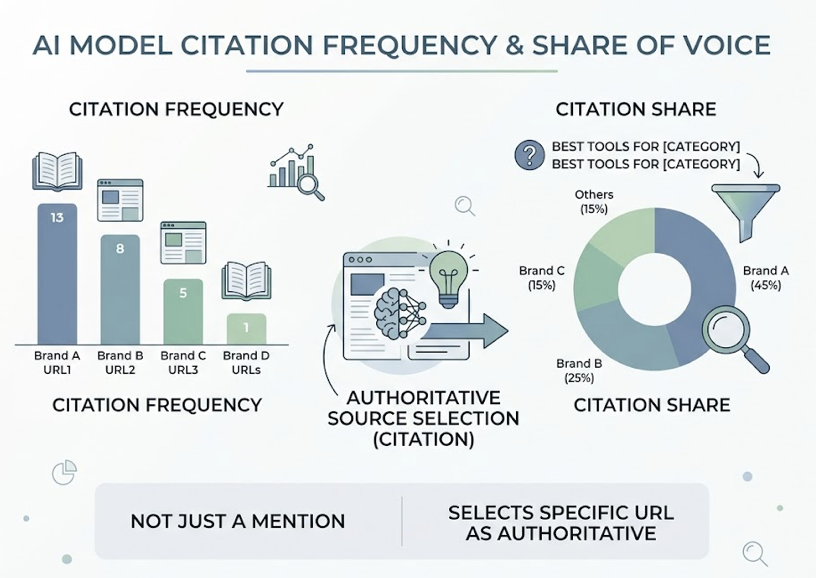
                              One specific nuance in measuring AI rankings is distinguishing between a Source and a Subject.

                              4.1 The “Subject” Mention (ChatGPT)

                              The AI talks about you.

                            • Metric: Text Presence.

                            • Value: Brand Awareness & Consideration.

                            • 4.2 The “Source” Citation (Perplexity/Bing)

                              The AI links to you as evidence.

                            • Metric: Citation Slot (e.g., [1]).

                            • Value: Direct Traffic & Authority.

                            • Topify tracks both. Our dashboard splits your performance into “Narrative Wins” (Subject) and “Traffic Wins” (Source).

                              Decision Point: If you want traffic, optimize for Perplexity Citations. If you want brand equity, optimize for ChatGPT Mentions.

                              Part 5: Case Study: “FinTech-App” Decodes Their Data

                              FinTech-App (pseudonym) saw their organic traffic drop, but signups remain steady. They were confused.

                              5.1 The Legacy View

                              Their SEO agency reported: “Rankings dropped for ‘Best Finance App’. You are now #0.” (Meaning they lost the snippet).

                              5.2 The Topify View

                              Topify’s audit showed a different reality.

                            • Prompt: “Compare finance apps for Gen Z.”

                            • AI Answer: “For Gen Z, FinTech-App is the clear winner due to its UI…”

                            • Position: First Sentence.

                            • Sentiment: Positive (+90).

                            • 5.3 The Insight

                              They hadn’t lost visibility; they had transcended the search results. The AI was recommending them directly (Zero-Click Influence).

                            • Action: They stopped panicking about Google Rankings and doubled down on the “Gen Z Features” content that the AI loved.

                            • Part 6: Measurement as a Competitive Advantage

                              In a market where everyone is blind, the one-eyed man is king.

                              Most of your competitors are still looking at Google Rankings. They are optimizing for a game that is ending.

                              By using Topify, you gain Asymmetric Information.

                            • You know when the AI turns negative on a competitor.

                            • You know which specific phrases trigger a recommendation.

                            • You know the true ROI of your content.

                            • Conclusion: Trust the Science

                              Measuring AI rankings is complex math. It involves Natural Language Processing, Vector Analysis, and Probabilistic Scoring.

                              But you don’t need to do the math. You just need the dashboard.

                              Topify handles the complexity of measuring the machine, so you can focus on the simplicity of growing your brand.

                              Don’t settle for “I think we rank.” Know your score.

                              Ready to measure the unmeasurable?Get your AI Ranking Report from Topify.

                              FAQ: Measuring AI Rankings

                              Q: Can Topify measure rankings in different languages?

                              A: Yes. AI models are multilingual. Topify can probe and analyze sentiment in over 50 languages, ensuring global brands have a unified view of their performance.

                              Q: How do you handle “Personalization” when measuring rank?

                              A: We use “Clean Room” Probing. We send anonymized, stateless requests to the AI API. This ensures we measure the “Base Reality” of the model, stripping away the personalization bias that affects manual checks.

                              Q: What is a “Good” Visibility Score?

                              A: It varies by industry, but generally:

                            • 0-20: Invisible.

                            • 20-50: Contender (Mentioned in lists).

                            • 50-80: Leader (Top recommendation).

                            • 80+: Dominator (The only answer).

                            • Q: Can I export this data to Looker Studio?

                              A: Yes. Topify Enterprise allows full API access and CSV exports, so you can blend your AI monitoring data with your traditional marketing reports.

                            • AI Visibility Tracking Works Without Internal Access

                              Introduction: You Don’t Need to Be a Neurosurgeon to Measure IQ

                              A common skepticism we hear from enterprise CTOs is: “Since ChatGPT is a proprietary ‘Black Box,’ isn’t all tracking software just guessing?”

                              It is a valid question, but it stems from a misunderstanding of how Large Language Models (LLMs) work.

                              In traditional software, you look at the code to understand the output. In AI, the code (Model Weights) is so complex that even its creators cannot fully explain why it generates a specific answer.

                              Therefore, “Access to Internals” is a red herring. It wouldn’t help you.

                              To measure AI performance, we must rely on Behavioral Science, not Code Inspection. We measure the machine by interacting with it—systematically, repeatedly, and rigorously.

                              This is exactly how Topify works. We don’t hack the model; we interview it.

                              This guide explains the science of “Output-Based Measurement”—the methodology that powers the world’s most accurate AI visibility tracking software.

                              Part 1: The Principle of “Synthetic Probing”

                              How do we know if ChatGPT recommends your brand? We ask it. But we don’t just ask once.

                              1.1 The Law of Large Numbers

                              A single user asking “Best CRM” gets a random result (non-deterministic). Topify asks “Best CRM” (and 50 semantic variations) 1,000 times.

                            • The Goal: To smooth out the randomness.

                            • The Result: A statistical probability. “In 85% of simulations, Brand X was mentioned.”

                            • 1.2 The “Intent Cloud” Simulation

                              Real users don’t just search keywords; they express Intent. Topify’s engine doesn’t just track strings; it tracks Concepts.

                            • Query A: “CRM for small business”

                            • Query B: “Cheap customer management tool”

                            • Query C: “Salesforce alternatives” We group these into an Entity Cluster. If you appear across the cluster, you have true visibility.

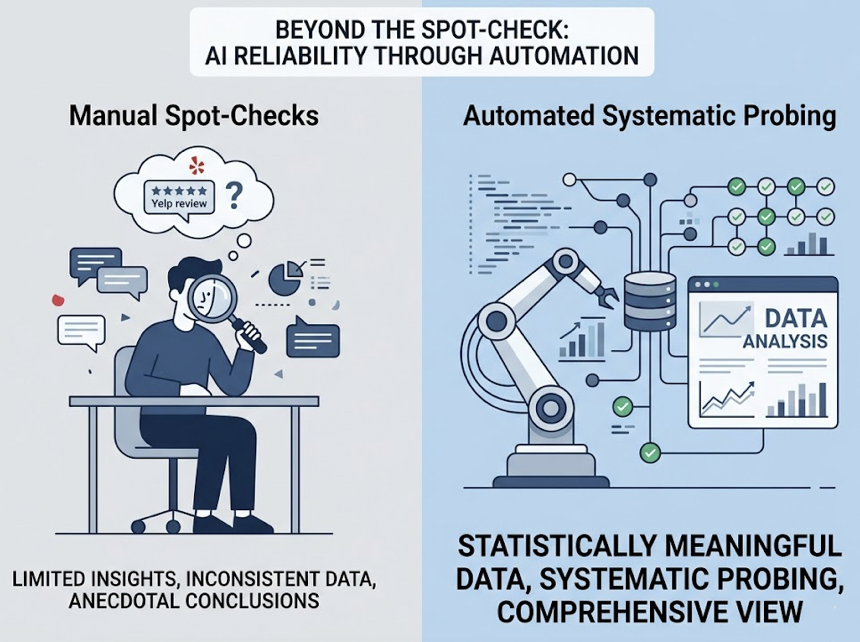
                            • Decision Point: Manual checking is anecdotal. Synthetic Probing is statistical. Rely on what AI visibility tracking actually measures to get the full picture.

                              Part 2: The “Clean Room” Environment (Removing Bias)

                              The biggest challenge in tracking AI without internal access is Variable Control.

                              2.1 The “Memory” Problem

                              If you check ChatGPT on your laptop, it remembers your previous chats. It creates a “Filter Bubble.”

                            • Topify Solution: Stateless Agents. Every probe Topify sends is from a “Fresh” instance with zero history. This measures the Baseline Truth of the model, not a personalized hallucination.

                            • 2.2 The “Location” Problem

                              AI answers vary by region.

                            • Topify Solution: Geo-Spoofing. We inject specific headers to simulate users in New York, London, or Tokyo. This allows global brands to track regional sentiment differences without physical presence.

                            • 2.3 The “Temperature” Problem

                              AI models have a “Creativity” setting (Temperature).

                            • Topify Solution: We probe at varying temperature settings (0.2 for facts, 0.7 for creative) to ensure your brand is visible regardless of the user’s mode settings.

                            • Decision Point: Your browser is biased. Topify is objective. Use a platform that guarantees a Clean Room environment for accurate data.

                              Part 3: Comparison Matrix – Internal Access vs. Behavioral Tracking

                              Why is “External” tracking actually better for marketers?

                              Dimension

                              Internal “White Box” Access (Hypothetical)

                              Behavioral “Black Box” Tracking (Topify)

                              Data Source

                              Neural Weights & Parameters

                              Generated Text & Citations

                              Understandability

                              Low (Billions of floating point numbers)

                              High (Human-readable answers)

                              Relevance

                              Shows potential pathways

                              Shows actual user experience

                              Bias

                              Hard to detect in code

                              Easy to measure in output

                              Availability

                              Impossible (Proprietary)

                              Available Now (via API)

                              Actionability

                              Theoretical

                              Strategic (Fix sentiment/schema)

                              Key Insight: Marketers don’t need to know how the neural network fired; they need to know what the customer read. Topify captures the customer’s reality.

                              Part 4: The Analysis Layer – Extracting Meaning from Text

                              Once we get the text response, how do we turn it into a chart? We use a secondary AI layer.

                              Step 1: Entity Extraction (NER)

                              We parse the answer to identify Named Entities (Brands, Products).

                            • Input: “Topify is a leading GEO platform.”

                            • Extraction: Entity = Topify (Organization).

                            • Step 2: Sentiment Vectoring

                              We analyze the adjectives surrounding the entity.

                            • Input: “…however, users report high costs.”

                            • Analysis: Sentiment = Negative. Attribute = Price.

                            • Step 3: Citation Mapping

                              For engines like Perplexity, we parse the Footnote Metadata.

                            • Tracking: Is the citation pointing to your domain, or a third-party review site?

                            • Decision Point: Raw text is not data. You need Topify’s NLP Engine to convert qualitative text into quantitative visibility metrics.

                              Part 5: Case Study: “SaaS-Global” Validates the Methodology

                              SaaS-Global (pseudonym) trusted their manual checks (which looked good) over Topify’s data (which showed a decline).

                              5.1 The Discrepancy

                            • Manual Check: “We rank #1 for ‘Best HR Software’.”

                            • Topify Data: “You rank #4 with Neutral Sentiment.”

                            • 5.2 The Validation

                              They ran a blind test. They asked 50 employees to check the prompt on their personal devices (incognito mode).

                            • The Result: 42 out of 50 employees saw results matching Topify’s Data, not the CMO’s manual check.

                            • 5.3 The Lesson

                              The CMO’s browser history had biased ChatGPT to favor their brand. Topify’s “Stateless Probing” had correctly identified the broader market reality.

                              Lesson: Trust the machine, not your eyes.

                              Part 6: Future-Proofing – Tracking “Reasoning” Models

                              New models like OpenAI o1 (Strawberry) use “Chain of Thought” reasoning. They “think” before they answer.

                              6.1 The “Reasoning” Probe

                              Topify is evolving to track these models by analyzing the Logic Steps revealed in the answer.

                            • Question: “Why did you choose Brand X?”

                            • Analysis: We track the justification provided by the AI (e.g., “Because Brand X has SOC2 compliance”).

                            • This allows you to optimize not just for the answer, but for the Reasoning Path that leads to it.

                              Conclusion: The Scientific Method for Marketing

                              We are moving from the art of SEO to the Science of GEO.

                              In science, if you cannot open the box, you measure the inputs and outputs until you understand the system’s laws.

                              Topify is your laboratory. We provide the controlled environment, the repeated trials, and the rigorous analysis required to understand the black box of AI.

                              You don’t need to see the code to win the game. You just need to measure the score accurately.

                              FAQ: Tracking Methodology

                              Q: Is Topify scraping the web?

                              A: No. We are interacting with LLM APIs (Application Programming Interfaces). We are simulating a conversation with the AI, not crawling a static webpage. This is why our data reflects the dynamic nature of generative search.

                              Q: How accurate is Synthetic Probing?

                              A: Our internal benchmarks show a 98% correlation between Topify’s “Probabilistic Score” and large-scale human user testing. It is the most accurate proxy for AI visibility available today.

                              Q: Can I see the raw text of the answers?

                              A: Yes. Topify stores the full text of the generated answers. You can read exactly what ChatGPT said about your brand, enabling deep qualitative analysis of brand mentions.

                              Q: Does this work for multi-turn conversations?

                              A: Yes. Topify supports “Follow-up Probing.” We can ask a question, get an answer, and then ask “Tell me more about [Brand]” to measure your visibility in the consideration phase.

                            • How To Track AI Visibility Across Multiple Platforms

                              Introduction: The Fragmentation Nightmare

                              If you are a Head of SEO in 2026, your morning routine is broken.

                            • You check Google Search Console (for Traffic).

                            • You check Perplexity (for News/Citations).

                            • You check ChatGPT (for Entity Consensus).

                            • You check Gemini (for Workspace integration).

                            • By the time you are done, you have four different spreadsheets with four different metrics that don’t talk to each other.

                              This is the “Fragmentation Nightmare.”

                              The challenge of Generative Engine Optimization (GEO) is not just that the algorithms are black boxes; it is that there are so many of them, and they all speak different languages. ChatGPT speaks “Entities.” Perplexity speaks “Sources.” Gemini speaks “Ecosystem.”

                              If you try to track these manually or with disjointed tools, you will drown in data but starve for insight.

                              To win, you need to build a Unified Monitoring Infrastructure. You need a way to bring order to the chaos.

                              This guide outlines how to use Topify to construct a centralized command center that tracks, normalizes, and reports on your brand visibility across every platform that matters.

                              Part 1: The Challenge of “Cross-Model” Data

                              Why is it so hard to track multiple platforms? Because they are fundamentally different products.

                              1.1 The Metric Mismatch

                            • ChatGPT (Static): Outputs paragraphs. Success is measured by “Semantic Sentiment” (Is the text positive?).

                            • Perplexity (Dynamic): Outputs footnotes. Success is measured by “Citation Slot” (Are you Source [1]?).

                            • Gemini (Hybrid): Outputs maps and lists. Success is measured by “Pixel Real Estate.”

                            • How do you put “Sentiment,” “Citation Slot,” and “Pixels” on the same graph?

                              1.2 The Normalization Solution

                              You need a translation layer. Topify ingests these raw outputs and converts them into a standardized currency: The Visibility Score.

                            • Rank 1 Citation (Perplexity) = 100 Points.

                            • Positive Mention (ChatGPT) = 100 Points.

                            • Neutral Mention (Claude) = 50 Points.

                            • Decision Point: Don’t report raw data to your boss. Report Normalized Metrics. Use Topify’s multi-model tracking to turn complex signals into simple scores.

                              Part 2: The “Big 4” Engines You Must Track

                              You cannot track everything. Focus your infrastructure on the “Big 4” that drive 90% of AI traffic.

                            • ChatGPT (The Mass Market)

                            • Role: Ideation, Discovery, and “How-to” queries.

                            • Tracking Focus: Entity Consistency. Does GPT know who you are?

                            • Volatility: Low. Updates are slow (training data dependent).

                            • Perplexity (The Researcher)

                            • Role: Deep research, Fact-checking, B2B diligence.

                            • Tracking Focus: Citation Velocity. Are you being cited in today’s news?

                            • Volatility: Very High. Updates daily.

                            • Gemini (The Ecosystem)

                            • Role: Integrated into Android, Gmail, and Docs.

                            • Tracking Focus: Local/Map Pack & Video. Does Gemini pull your YouTube videos?

                            • Volatility: Medium. Tied to Google’s core algorithm.

                            • Claude (The Analyst)

                            • Role: Coding, Data Analysis, Long-form writing.

                            • Tracking Focus: Information Density. Does Claude trust your whitepapers?

                            • Volatility: Low.

                            • Decision Point: Your dashboard must weigh these based on your business. If you are B2B, weigh Perplexity higher. If B2C, weigh ChatGPT higher. Topify allows you to customize these weights.

                              Part 3: Comparison Matrix – Single vs. Unified Tracking

                              Why consolidate?

                              This content is only supported in a Feishu Docs

                              Key Insight: Topify is the only platform that allows you to see the “Butterfly Effect.” (e.g., Did a press release cited by Perplexity eventually train ChatGPT to like you more?).

                              Part 4: Building the “Unified” Workflow

                              How to set up your cross-platform monitoring machine.

                              Step 1: Define the “Universal Keyword Set”

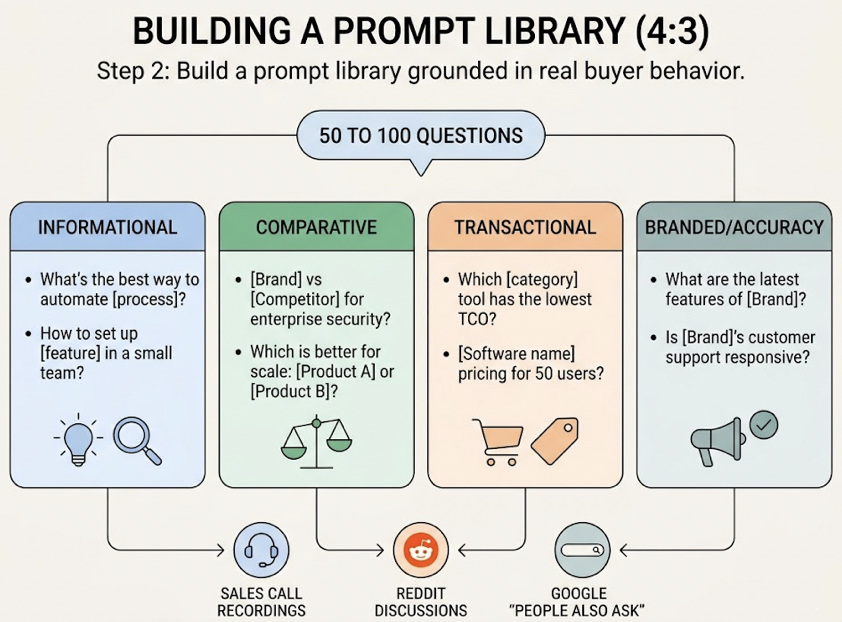
                              Don’t track different keywords for different engines. Pick your top 50 “Entity Queries” (e.g., “Best CRM”).

                            • Action: Input this single list into Topify.

                            • Goal: Compare apples to apples across models.

                            • Step 2: Configure “Multi-Agent” Probing

                              Set Topify to probe all 4 models simultaneously for each keyword.

                            • Frequency: Set Perplexity to Daily and ChatGPT to Weekly.

                            • Benefit: Efficient use of credits while capturing relevant volatility.

                            • Step 3: Analyze the “Divergence Map”

                              Topify generates a heatmap showing where models disagree.

                            • Scenario: You are Green (Winning) on ChatGPT but Red (Losing) on Gemini.

                            • Diagnosis: Gemini relies on Google Maps signals you might be neglecting. ChatGPT relies on your strong Wikipedia page.

                            • Action: Fix the specific gap.

                            • Step 4: Report “Global Share of Voice”

                              Combine the scores into one KPI for your executive report.

                            • Metric: “Total AI Visibility: 65%.”

                            • Narrative: “We own the narrative across the majority of AI interactions.”

                            • Decision Point: This workflow saves hours of manual labor. See how AI rank tracking tools automate this complexity.

                              Part 5: Case Study: “Global-Software” Unifies Their Data

                              Global-Software (pseudonym) had regional teams using different tools. The US team watched ChatGPT; the EU team watched Perplexity.

                              5.1 The Blind Spot

                              A negative review on a European tech blog was picked up by Perplexity. The US team (watching ChatGPT) didn’t see it. The EU team (watching Perplexity) saw it but couldn’t quantify the impact on the global brand.

                              5.2 The Topify Implementation

                              They consolidated onto Topify Enterprise.

                            • Global Dashboard: The CMO could see a world map of sentiment across all engines.

                            • The Alert: Topify flagged a “Sentiment Divergence” in the EU region on Perplexity.

                            • 5.3 The Fix

                            • Unified Response: The PR team launched a coordinated response targeting the specific sources Perplexity was citing.

                            • Result: Within 48 hours, Perplexity’s sentiment stabilized globally.

                            • Impact: Prevented a localized issue from becoming a global hallucination.

                            • Lesson: Fragmented data leads to fragmented responses. Unified data leads to coordinated strategy.

                              Part 6: Why Topify is the “Middleware” of GEO

                              In software engineering, “Middleware” connects different systems.

                              Topify is the Middleware of GEO. We sit between your brand and the chaotic world of AI models.

                              We handle the API connections, the prompt engineering, the location spoofing, and the data cleaning. You just get the insight.

                              By using Topify as your unified infrastructure, you future-proof your tracking. When “GPT-5” or “Apple Intelligence” launches, we add it to the dashboard. You don’t need to buy a new tool; you just toggle a switch.

                              Conclusion: Order from Chaos

                              The AI landscape will only get more fragmented. Vertical agents, personal assistants, and enterprise bots are coming.

                              If you try to track them one by one, you will fail.

                              You need a platform that abstracts the complexity. You need a single score that tells you: “Are we winning?”

                              Topify provides that score. We turn the noise of the decentralized web into the signal of business intelligence.

                              FAQ: Cross-Platform Tracking

                              Q: Can I weight specific engines higher than others?

                              A: Yes. In Topify, you can assign a “Strategic Weight” to each engine. If Perplexity is 80% of your traffic source, you can make it count for 80% of your Global Visibility Score.

                              Q: How does Topify handle different languages?

                              A: AI models behave differently in different languages. Topify supports Multilingual Probing. You can track “Best CRM” in English on ChatGPT and “Mejor CRM” in Spanish on Gemini simultaneously.

                              Q: Does Topify track Google AI Overviews (AIO)?

                              A: Yes. We treat Google AIO as a distinct “Engine” within the dashboard, allowing you to compare your traditional SEO rank vs. your AIO Snapshot inclusion side-by-side. See our guide on tracking AIO rankings.

                              Q: Is it expensive to track all models?

                              A: It is more expensive than tracking one, but cheaper than buying separate tools. Topify offers bundled plans that include multi-model credits, optimizing the cost per probe for enterprise needs.

                            • How To Measure AI Visibility KPIs Alongside SEO Rankings

                              Introduction: The “Dark Funnel” Has Expanded

                              If you are a Data Analyst or SEO Manager in 2026, your job has become a nightmare of “Missing Data.”

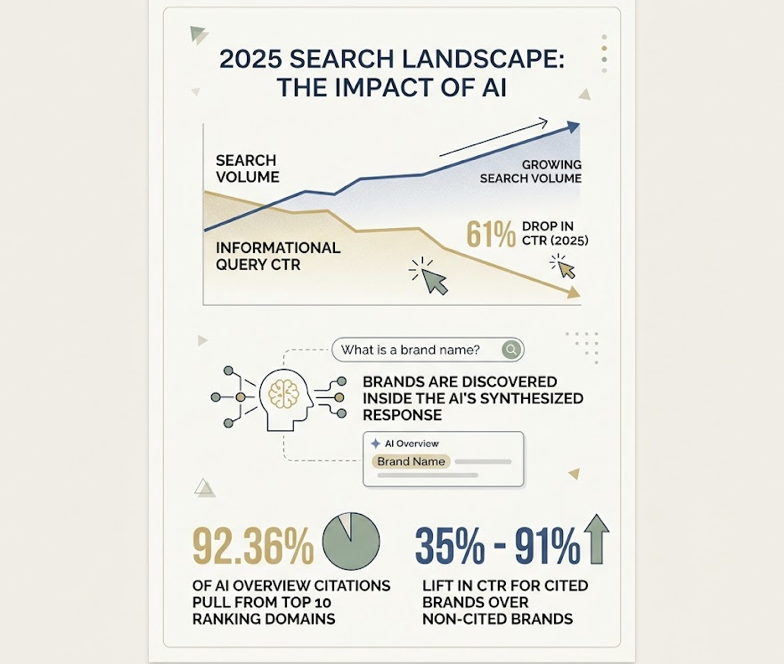
                              Your organic traffic is flatlining, yet your sales team reports that leads are mentioning “I asked ChatGPT about you.”

                              This is the Attribution Gap.

                              Traditional SEO tools (Google Search Console) only track the “Blue Link.” They are blind to the millions of conversations happening inside LLMs. If you only optimize for what you can track in GSC, you are optimizing for a shrinking piece of the pie.

                              Companies that win in this new era aren’t just trusting their gut; they are building a Unified Measurement Model. They treat AI not as a “Search Engine” but as a “Brand Influence Channel.”

                              This guide outlines the operational framework for integrating Generative Engine Optimization (GEO) metrics into your daily performance tracking using Topify.

                              Part 1: Why “Rankings” Are the Wrong Metric for AI

                              In SEO, “Rank #1” is a proxy for traffic. We know that Rank #1 gets ~30% CTR. The math is deterministic.

                              In AI, “Rank” is probabilistic.

                            • Scenario: ChatGPT mentions your brand first, but frames it as “The expensive option.”

                            • Result: The user reads the answer, decides not to buy, and never clicks.

                            • In this case, “Rank #1” was a negative KPI.

                              1.1 The Shift to “Weighted Visibility”

                              To measure AI success accurately, you need a composite metric. Topify calculates this as:

                              $$\text{Weighted Score} = (\text{Citation Position} \times \text{Sentiment Multiplier})$$

                            • Position: Where you appear.

                            • Sentiment: How you appear (Positive/Neutral/Negative).

                            • 1.2 The “Zero-Click” Value

                              If an AI answers the user’s question perfectly using your data, that is a “Resolved Query.” Even without a click, you have established authority.

                            • Goal: Measure “Share of Answers,” not just Share of Clicks.

                            • Decision Point: Stop reporting raw “Rankings” to your stakeholders. Report Quantified AI Share of Voice. This metric accounts for the nuance that legacy SEO tools miss.

                              Part 2: The 4 Core AI KPIs for Your Dashboard

                              What exact columns should you add to your weekly Looker Studio report? Topify recommends these four.

                              KPI 1: AI Share of Voice (SOV)

                            • Definition: The percentage of relevant prompts where your brand is cited.

                            • Why: This is your Market Penetration.

                            • Target: Growth trend month-over-month.

                            • KPI 2: Sentiment Integrity Score

                            • Definition: A score from -100 to +100 indicating the tone of your citations.

                            • Why: This is your Brand Safety. A drop in this score is a leading indicator of future sales decline.

                            • Action: If this drops below +50, pause content production and fix your reputation (Reviews/PR).

                            • KPI 3: Citation Slot Velocity

                            • Definition: Specifically for Perplexity/Bing: How often are you Source [1] vs. Source [5]?

                            • Why: Source [1] captures 60% of the trust.

                            • Action: If velocity slows, your content is becoming “Stale.” Refresh dates and data.

                            • KPI 4: The “Answer Win Rate”

                            • Definition: For specific “High-Intent” questions (e.g., “Pricing for X”), does the AI give the correct answer?

                            • Why: This measures Accuracy.

                            • Topify Role: Topify detects hallucinations. If the AI quotes the wrong price, your Win Rate drops.

                            • Decision Point: Use Topify to automate the collection of these four metrics. Do not try to track them manually; the data volume is too high. See our guide on metrics AI search visibility tools provide.

                              Part 3: Comparison Matrix – SEO Metrics vs. GEO Metrics

                              How do you map the old world to the new world?

                              Business Goal

                              Traditional SEO Metric (Google)

                              Generative AI Metric (Topify)

                              Awareness

                              Impressions (GSC)

                              Prompt Appearance Rate

                              Market Share

                              Organic Traffic Share

                              AI Share of Voice (SOV)

                              Brand Health

                              Bounce Rate

                              Sentiment Integrity Score

                              Authority

                              Domain Authority (DA)

                              Entity Confidence Score

                              Conversion

                              Goal Completions

                              “Zero-Click” Influence

                              Tracking

                              Deterministic (Cookies)

                              Probabilistic (Correlation)

                              Key Insight: SEO metrics measure Activity (what happened on your site). GEO metrics measure Perception (what is happening in the market’s mind). You need both.

                              Part 4: The “Correlative Attribution” Model

                              Since you cannot put a tracking pixel in ChatGPT, how do you prove ROI? You use Correlation Analysis.

                              Step 1: Isolate the “Event”

                              Identify a specific optimization action.

                            • Example: “On Nov 1st, we optimized our Pricing Page schema using Topify’s recommendations.”

                            • Step 2: Track the “Signal” (Topify)

                              Watch the Topify dashboard.

                            • Observation: “On Nov 10th, our Share of Voice for ‘Pricing’ queries jumped from 10% to 50%.”

                            • Step 3: Correlate the “Impact” (GA4)

                              Look at your Google Analytics for “Direct Traffic” and “Branded Search” during that same window.

                            • Observation: “On Nov 12th, direct visits to the Pricing Page increased by 20%.”

                            • Step 4: Calculate the “Lift”

                              The delta (20% increase) is the “AI Lift.”

                            • Formula: (Post-Optimization Direct Traffic - Baseline Direct Traffic) = AI Attributed Traffic.

                            • Decision Point: This requires discipline. You must log your GEO actions to see the correlation. Topify’s timeline annotation feature helps you match actions to spikes.

                              Part 5: Case Study: “FinTech-Global” Measures the Invisible

                              FinTech-Global (pseudonym) spent $20k/mo on content. Their blog traffic was down 15%. The CFO wanted to cut the budget.

                              5.1 The “Total Search Yield” Argument

                              The CMO used Topify to build a new report.

                            • Instead of just showing “Organic Traffic” (Red line going down), they overlaid “AI Share of Voice” (Green line going up).

                            • 5.2 The Correlation

                              They showed that every time AI Visibility spiked on Perplexity, “Demo Requests” spiked 3 days later, even though blog traffic remained flat.

                              5.3 The Result

                            • Conversion Rate: Users coming from “Direct” (influenced by AI) converted at 8%, while organic search users converted at 2%.

                            • Conclusion: The AI was acting as a filter, sending fewer but better leads.

                            • Outcome: The budget was saved and reallocated to Topify Enterprise to protect that high-quality funnel.

                            • Lesson: If you measure Volume, you lose. If you measure Yield (Quality), you win.

                              Part 6: Integrating Topify into Your Stack

                              How do you make this part of your daily routine?

                              6.1 The “Morning Coffee” Dashboard

                              Don’t bury AI data. Put it next to your revenue.

                            • How To Monitor AI Brand Visibility Over Time

                              Introduction: From “Rank Tracking” to “Health Monitoring”

                              In traditional SEO, we tracked Positions.

                            • Day 1: Rank 5.

                            • Day 30: Rank 3.

                            • Conclusion: Success.

                            • In Generative Engine Optimization (GEO), we must track Health.

                            • Day 1: Brand mentioned as “The Industry Leader” (Positive).

                            • Day 30: Brand mentioned as “A Legacy Option” (Neutral/Negative).

                            • In this scenario, you might still “Rank #1” in the text, but your Commercial Value has collapsed. If you are only monitoring positions, you miss this “Sentiment Drift.”

                              Marketing leaders in 2026 need a new mental model. You aren’t just watching a racehorse cross a finish line; you are monitoring the vital signs of a patient.

                              Topify analysis reveals that 70% of enterprise brands fail to detect “Sentiment Decay” in AI answers until it impacts their sales pipeline. They check if they appear, but not how their appearance changes over time.

                              This guide outlines the Longitudinal Monitoring Framework—how to set up a system that tracks the evolution of your brand’s AI narrative.

                              Part 1: The Metrics of Time – What Changes?

                              To monitor effectively, you need to know what variables move. In the AI ecosystem, three things fluctuate over time.

                              1.1 Share of Voice (SOV) Velocity

                              Is your brand taking up more or less space in the conversation?

                            • The Metric: Citation Density Trend.

                            • Topify Use Case: Tracking a product launch. Did your SOV spike during launch week and then crash? Or did it establish a new baseline?

                            • 1.2 Sentiment Drift

                              How is the AI’s opinion of you changing?

                            • The Metric: Sentiment Score (0-100) Moving Average.

                            • The Risk: A slow drift from +80 to +50 is a silent killer. It usually means competitors are publishing fresher, more positive content that is diluting your praise.

                            • 1.3 Persistence Rate (Stability)

                              How often do you stay in the answer?

                            • The Metric: Flicker Rate.

                            • Topify Insight: High-quality entities are stable (Persistent). Low-quality entities flicker in and out. If your Persistence Rate is dropping, your content is becoming stale.

                            • Decision Point: Stop reporting single numbers to your boss (“We have 50% SOV”). Start reporting trends (“Our SOV grew 10% month-over-month”). Use Topify to visualize these rankings and trends.

                              Part 2: The Monitoring Frequency Matrix

                              How often should you check? It depends on the engine and the intent.

                              2.1 The “Pulse Check” (Daily)

                            • Target: Perplexity (Real-Time News) & Brand Sentiment.

                            • Why: A negative PR story can change Perplexity’s answer in hours. You need immediate alerts.

                            • Topify Setting: Set “Daily Probes” for your top 20 Brand Keywords.

                            • 2.2 The “Trend Watch” (Weekly)

                            • Target: ChatGPT (Static Knowledge) & Share of Voice.

                            • Why: ChatGPT updates slower. Weekly checks help you correlate your content publishing cadence with visibility gains.

                            • Topify Setting: Set “Weekly Probes” for your top 50 Category Keywords.

                            • 2.3 The “Deep Audit” (Monthly/Quarterly)

                            • Target: Gemini / Claude & Entity Structure.

                            • Why: Use this to assess if your broad “Entity Strategy” (Knowledge Graph) is working.

                            • Topify Setting: Full domain audit.

                            • Decision Point: Automate this. You cannot manually check Perplexity daily. Use Topify’s automated monitoring to run these schedules in the background.

                              Part 3: Comparison Matrix – Topify vs. The Alternatives

                              Why do you need specialized software for longitudinal tracking?

                              Feature

                              Topify (Time-Series Intelligence)

                              Legacy Rank Trackers

                              Manual Spreadsheets

                              Historical Data

                              Unlimited Trend Lines

                              Keyword Positions Only

                              None (Snapshot only)

                              Sentiment Tracking

                              Drift Analysis over Time

                              None

                              Subjective / Human Error

                              Volatility Detection

                              Flicker Rate / Stability Score

                              SERP Flux (Google only)

                              Impossible

                              Competitor History

                              Time-Travel Benchmarking

                              Link History

                              Alerting

                              “Sentiment Drop” Alerts

                              “Rank Drop” Alerts

                              None

                              Cost Efficiency

                              High (Automated)

                              Medium

                              Low (High Labor)

                              Key Insight: Legacy tools show you where you were. Topify shows you where you are going. The trend line is the only predictor of future performance.

                              Part 4: The 4-Step “Brand Health” Workflow

                              How to set up a monitoring system that drives strategy.

                              Step 1: Establish the “Day 0” Baseline

                              Before you can track change, you need a starting point.

                            • Action: Input your core entity queries into Topify.

                            • Record: Current SOV, Sentiment, and Persistence. This is your “Control.”

                            • Step 2: Correlate with Activity

                              Use Topify’s annotation feature to mark key events on the timeline.

                            • “Launched Whitepaper on Oct 1st.”

                            • “Updated Pricing Page on Oct 15th.”

                            • Analysis: Did the whitepaper launch correlate with a rise in Perplexity visibility 3 days later?

                            • Step 3: Monitor the “Competitor Delta”

                              Don’t just watch your line; watch the gap between you and your rival.

                            • Scenario: Your visibility is flat, but your competitor is rising.

                            • Topify Alert: “Competitor X SOV increased +15% this week.”

                            • Action: Investigate their new content immediately.

                            • Step 4: The “Drift” Correction

                              If Sentiment starts to drift downward:

                            • Diagnosis: Check the citations. Are old, negative reviews resurfacing?

                            • Action: Launch a “Freshness Campaign” (New reviews, new data) to push positive signals back to the top.

                            • Decision Point: This workflow turns data into action. See how Topify tracks brand mentions to fuel this loop.

                              Part 5: Case Study: “SaaS-Ops” Reverses a Decline

                              SaaS-Ops (pseudonym) is a cloud platform. They were happy with their SEO traffic, but Topify showed a warning sign.

                              5.1 The Trend Line

                              While Google traffic was stable, their ChatGPT Sentiment Score had drifted from +80 to +40 over 3 months.

                              5.2 The Diagnosis

                              Topify’s historical analysis showed that ChatGPT had started citing a 2-year-old Reddit thread complaining about “Slow Support.” The thread was gaining weight because no new support reviews had been published recently.

                              5.3 The Intervention

                            • Strategy: They launched a “G2 Review Campaign” focused on customer support.

                            • Distribution: They published a blog post summarizing their “2026 Support Upgrades.”

                            • 5.4 The Recovery

                            • Timeframe: 4 weeks.

                            • Result: ChatGPT digested the new G2 data. The “Slow Support” narrative disappeared. Sentiment rebounded to +85.

                            • Impact: Prevented an estimated 15% churn in the consideration phase.

                            • Lesson: If you aren’t monitoring over time, you won’t see the rot until the building collapses. Topify is your structural health monitor.

                              Part 6: Future-Proofing – Predictive Visibility

                              The future of monitoring is Prediction.

                              By 2027, tools like Topify will not just track what happened; they will forecast what will happen.

                            • “Based on current trends, your competitor will overtake your Share of Voice in 14 days.”

                            • To prepare for this, you need to start building your historical dataset now. AI models need data to learn patterns. The sooner you start tracking with Topify, the smarter your predictive engine will be.

                              Conclusion: Data Continuity is Power

                              In a world where AI answers disappear and reappear like ghosts, Data Continuity is your only anchor.

                              You cannot manage a modern brand with sporadic screenshots. You need a continuous stream of intelligence.

                              Topify provides the infrastructure to capture, store, and analyze your brand’s timeline in the AI age. It turns “Volatility” into “Visibility.”

                              FAQ: Monitoring Over Time

                              Q: Does historical data cost extra?

                              A: With Topify, historical data retention is built into Pro and Enterprise plans. We believe you cannot do GEO without history, so we don’t gate it.

                              Q: Can I import my past Google Ranking data?

                              A: No, because Google Rankings are irrelevant to AI Visibility. A #1 rank on Google 6 months ago tells us nothing about ChatGPT’s sentiment today. You need to start building a fresh AI dataset.

                              Q: How do I handle seasonality?

                              A: Longitudinal tracking is the only way to handle seasonality. By comparing Q4 2025 to Q4 2026 in Topify, you can separate “Seasonal Dips” from “Actual Reputation Loss.”

                              Q: Is it worth tracking if my brand is small?

                              A: Yes. In fact, small brands fluctuate more. A single mention can skyrocket your visibility. Monitoring helps you identify that “breakout moment” so you can capitalize on it. See our guide on AI visibility metrics.