Blog

  • Fundamentals GEO Optimization AI Engine

    The 4 Foundational Pillars of GEO Optimization

    Just as a house needs a foundation, your AI strategy needs these four layers. If one is missing, the structure collapses.

    Pillar 1: Entity Clarity (Who Are You?)

    In legacy SEO, you optimized pages. In geo optimization, you optimize entities.

  • The Concept: An entity is a distinct object (Person, Corporation, Product) in the Knowledge Graph. This shift is so critical that industry leaders like Moz launched “Brand Authority” as a new metric, acknowledging that traditional Domain Authority (DA) links are no longer the only signal of strength in a semantic web.

  • The Failure Mode: If you search “Acme Corp” and the AI confuses you with a defunct company of the same name, you have an Entity Clarity problem.

  • The Fix: Use Organization Schema and verify your data on Wikidata. Ensure your “About Us” page is a definitive source of truth.

  • Pillar 2: Structural Fluency (Can the AI Read You?)

    LLMs prefer structured data over unstructured prose.

  • The Concept: RAG (Retrieval-Augmented Generation) systems look for “chunks” of data. Research from Stanford University (“Lost in the Middle”) proves that LLMs extract information most accurately when it appears at the very beginning of a context window. This makes document structure a critical ranking factor.

  • The Tactic: Adopt the “Inverted Pyramid” style. Place your direct answers and HTML tables at the very top of the page. Use <h2> tags for questions and <p> tags for direct answers.

  • Resource: Learn how to structure content in our guide on proven content strategies for AI Overviews.

  • Pillar 3: Information Gain (Do You Add Value?)

    Google’s AI (Gemini) explicitly rewards “Information Gain”—content that adds new facts to the corpus.

  • The Concept: If your content is a rewrite of the top 3 results, the AI has no reason to cite you.

  • The Tactic: Publish original survey data, contrarian expert quotes, or proprietary metrics. Be the primary source, not the echo.

  • Pillar 4: Citation Authority (Who Trusts You?)

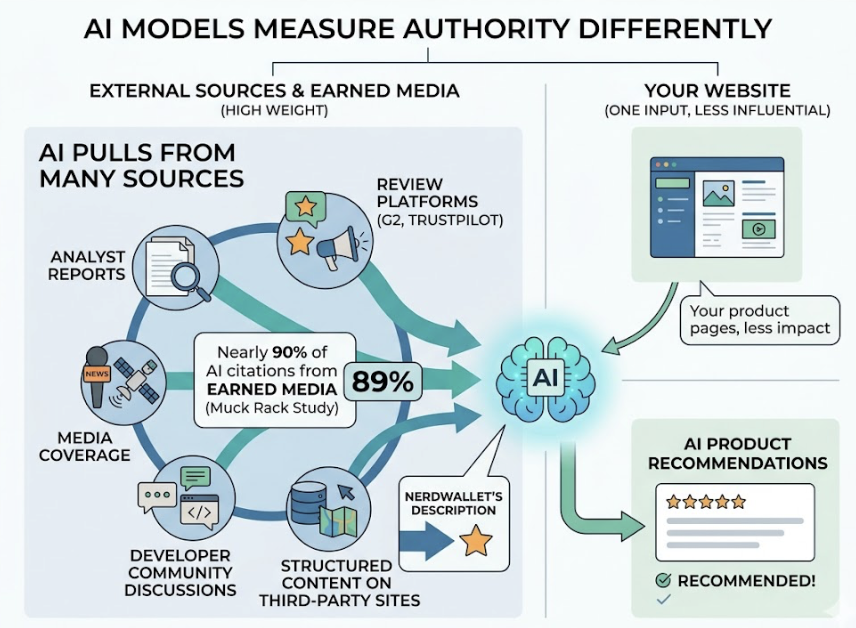
    AI models operate on “weighted trust.” A fact cited by the New York Times is weighted higher than a fact on a random blog.

  • The Concept: You need “Seed Sources” to validate your claims. An analysis of the C4 dataset (used to train models like T5 and Llama) by The Washington Post revealed that massive authority sites like Wikipedia and The New York Times disproportionately influence the model’s knowledge base.

  • The Tactic: Focus your PR efforts on getting mentioned in these high-gravity sources that Perplexity and ChatGPT rely on for ground truth.

  • Comparison Matrix: The Evolution of Fundamentals

    Here is how the basic tasks of a marketer have evolved.

    Fundamental Task

    SEO Era (2015)

    AI Optimization Era (2026)

    Identity

    Domain Authority (DA)

    Entity Salience Score

    Code

    Meta Tags & Alt Text

    JSON-LD Schema (Nested)

    Content

    2,000 Word Blog Posts

    Structured Data Tables

    Link Building

    Anchor Text Links

    Unlinked Brand Mentions

    Measurement

    Rank Tracking

    Quantifying AI Share of Voice

    Tools

    Moz / Ahrefs

    Topify / Profound

    Measuring Your Fundamentals with Topify

    You cannot fix your foundation if you don’t know it’s cracked. Topify acts as the structural engineer for your brand.

    How to Audit Your Fundamentals:

  • The “Entity Confidence” Check: Use Topify to ask the “Big 3” models (GPT, Claude, Gemini) simple questions about your brand.

    1. Prompt: “Who is [Brand Name] and what do they sell?”

    2. Goal: 100% accuracy. If the AI hallucinates, your Pillar 1 (Entity Clarity) is broken.

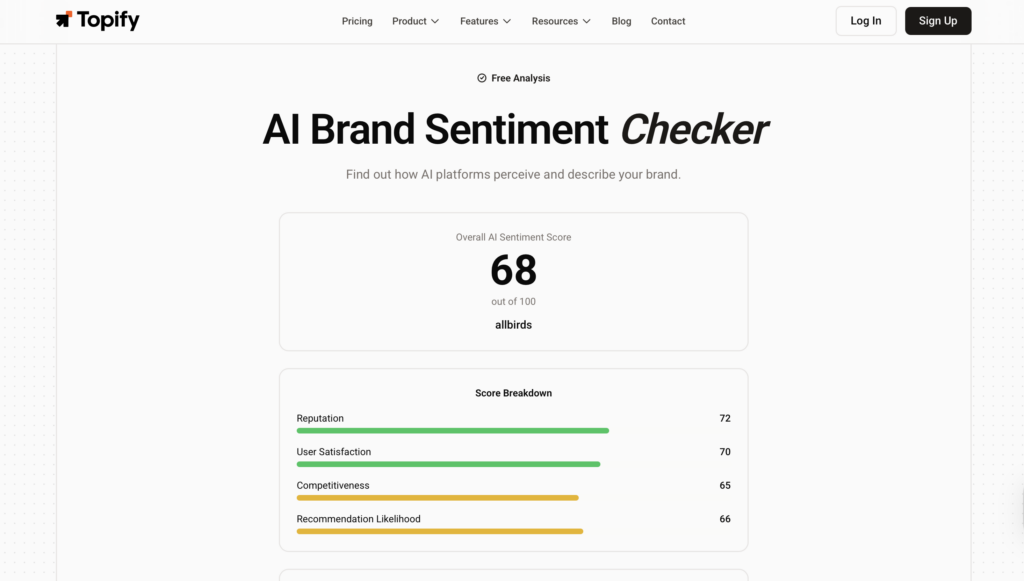
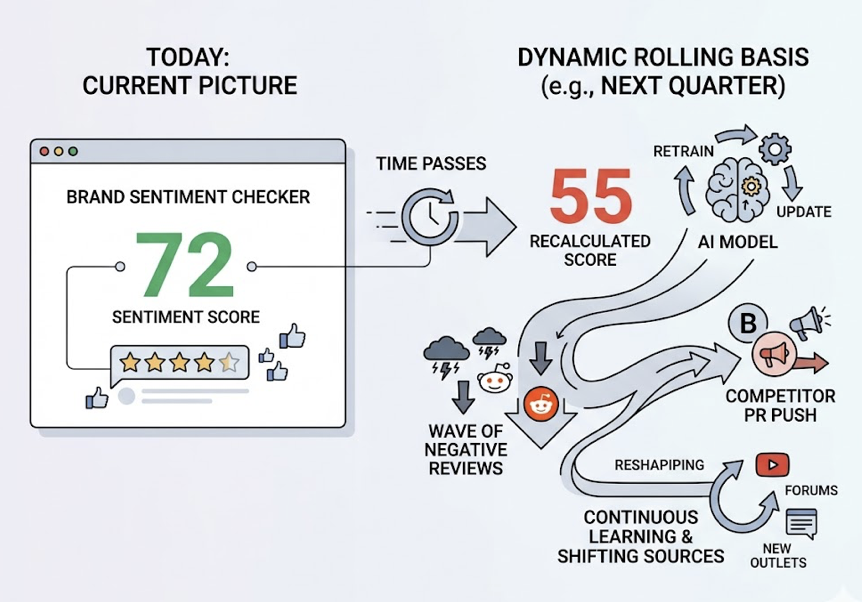
    3. The “Sentiment Baseline” Check: Before you try to rank #1, ensure the AI likes you. Use Topify to measure your base sentiment.

      1. Insight: If your baseline is negative, no amount of ai engine optimization will help until you fix the reputation issue.

      2. Tool: Monitor this with AI brand visibility tracking software.

      3. The “Citation Path” Check: Use Topify to see where the AI is currently pulling data about you. Is it your site? Or is it a third-party review site? This tells you which “Seed Source” is most important.

      4. Common Mistakes in AI Engine Optimization

        Even experienced SEOs make these foundational errors when pivoting to GEO.

      5. Mistake 1: Blocking AI Bots. Using robots.txt to block GPTBot is suicide for visibility. You are removing your data from the training set.

      6. Mistake 2: Ignoring “Zero-Volume” Queries. In GEO, long-tail, conversational queries (which often show 0 volume in Ahrefs) are the highest converting prompts.

      7. Mistake 3: Focusing Only on Google. Your B2B buyers are on Claude. Your developers are on Perplexity. You need a multi-model strategy.

        • Resource: Learn why you need a rank tracking tool for LLMs to monitor multiple models.

        • The Future: From Fundamentals to Autonomy

          As we move toward 2027, the fundamentals will become automated. CMS platforms will likely auto-generate Schema.

          The differentiation will move to “Agentic Readability.” Can an autonomous AI agent navigate your checkout flow via API? The brands that master the fundamentals of data structure today will be the first to be “hired” by AI agents tomorrow.

          Prepare for this shift by reading our definitive blueprint for GEO.

          Conclusion: Build on Rock, Not Sand

          The flashy tactics of AI—prompt engineering, programmatic content—are exciting. But they are useless without a solid foundation.

          Mastering the fundamentals of GEO optimization ensures that your brand is resilient. It ensures that when an AI model updates its algorithm, your entity remains stable because it is based on clear, structured, authoritative data.

          Don’t build your AI strategy on the sand of “hacks.” Build it on the rock of Entity Management. Use Topify to verify your foundation and build for the future.

          FAQ: GEO and AEO Fundamentals

        • Is AEO the same as Voice Search SEO?

          They are related but distinct. Voice Search (Siri/Alexa) reads a single answer aloud. AEO (AI Engine Optimization) focuses on the synthesis of an answer by an LLM. GEO covers both, plus the broader training of the model.

        • How do I improve my Entity Salience?

          Start with Wikipedia. If you can’t get a page, focus on Crunchbase, LinkedIn, and having a robust “About” page with SameAs schema linking to all your profiles. This connects the dots for the AI.

        • Does site speed matter for GEO?

          Yes. For RAG (Real-time retrieval), the AI bot has a “Time to First Byte” budget. If your site is too slow, the AI might skip retrieving your content in favor of a faster source to generate the answer quickly for the user.

        • Can Topify help me fix my Schema?

          Topify identifies where the semantic gaps are. If Topify shows that the AI doesn’t know your product price, you know you need to add Offer Schema. It acts as the diagnostic layer.

        • What is the most important “Fundamental”?

          Accuracy. Unlike Google, which just indexes what you write, AI models can be “fine-tuned” to reject false info. Ensuring your data is factually accurate across the entire web is the most critical fundamental.

  • What Is Generative Engine Infrastructure

    The Architecture: Under the Hood of a Generative Engine

    To optimize for it, you must know how it is built. A Generative Engine consists of three primary layers.

    Layer 1: The Vector Database (The Memory)

    Traditional search engines use an “Inverted Index” (Keyword -> List of Pages). Generative Engines use a Vector Database.

    They convert your content into Embeddings—lists of numbers that represent the semantic meaning of your text.

  • Example: In vector space, “Apple” is mathematically close to “iPhone” and “Fruit,” depending on context.

  • Optimization Implication: You stop optimizing for keywords and start optimizing for generative search optimization beyond keywords. You need to reduce the “semantic distance” between your brand entity and the user’s problem.

  • Layer 2: The RAG Pipeline (The Research)

    LLMs have a “Knowledge Cutoff.” They don’t know what happened today. To fix this, they use RAG (Retrieval-Augmented Generation).

  • User asks: “What is the price of Topify?”

  • Retriever: Searches the live web for the “Topify Pricing Page.”

  • Augmenter: Feeds that page content into the LLM’s context window.

  • Generator: The LLM writes the answer based on that fresh data.

  • Strategic Note: If your content is not structured for machine readability (tables, schema), the “Retriever” will fail to fetch it, and the “Generator” will ignore you. Learn how to fix this in our guide on proven content strategies for AI Overviews.

    Layer 3: The Transformer Model (The Voice)

    This is the “Brain” (e.g., GPT-4o, Claude 3.5 Sonnet). It takes the retrieved data and turns it into natural language.

  • Critical Factor: Sentiment. The Transformer has been trained on billions of human conversations. It has biases. If the training data says “SaaS is expensive,” the model will likely describe your SaaS tool as expensive unless you actively manage your AI brand visibility.

  • Comparison: Search Engine vs. Generative Engine

    Here is the technical breakdown of the two infrastructures.

    Feature

    Search Engine (e.g., Google 2020)

    Generative Engine (e.g., Perplexity 2026)

    Core Unit

    URL (The Webpage)

    Token (The Word Fragment)

    Ranking Logic

    Backlinks & Keywords

    Probability & Information Gain

    User Interface

    List of Blue Links

    Natural Language Conversation

    Processing

    Indexing (Pre-calculated)

    Inference (Real-time calculation)

    Personalization

    Low (Location/Device)

    High (Context/Chat History)

    Metrics

    Rank, CTR, Bounce Rate

    Share of Model, Sentiment

    Analytics Tool

    Google Search Console

    Topify

    The Economic Consequence: The “Zero-Click” Mandate

    Why are engines doing this? It isn’t just user experience; it’s economics.

    Running a Generative Engine is 10x-100x more expensive per query than a Search Engine. To make the economics work, the engine must satisfy the user immediately. Sending a user away to a third-party website (a click) is a failure of the engine’s value proposition.

    The Result: Traffic volume will drop, but traffic intent will rise.

  • Navigational Queries (“Facebook login”) will stay Zero-Click.

  • Informational Queries (“How to tie a tie”) will be answered by the AI.

  • Transactional Queries (“Best CRM”) will generate high-value citations.

  • Your goal is to win the citation. Read how to calculate the value of this new traffic in our guide on the ROI of generative engine optimization services.

    Measurement: Tracking the Invisible Engine

    Because Generative Engines generate answers dynamically, there is no “static SERP” to track.

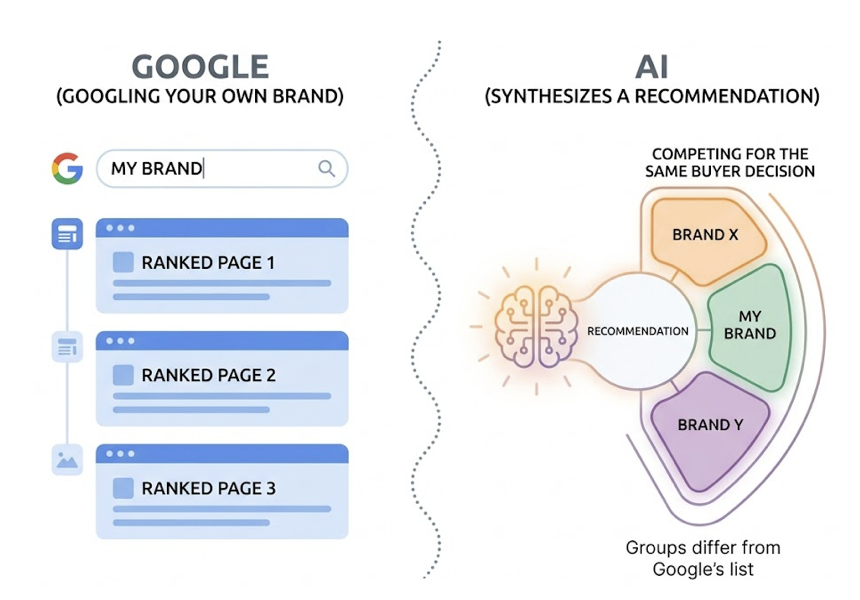
  • User A might see an answer praising your brand.

  • User B might see an answer ignoring your brand.

  • User C might see an answer hallucinating your bankruptcy.

  • Legacy tools cannot see this. They only track the “Index.”

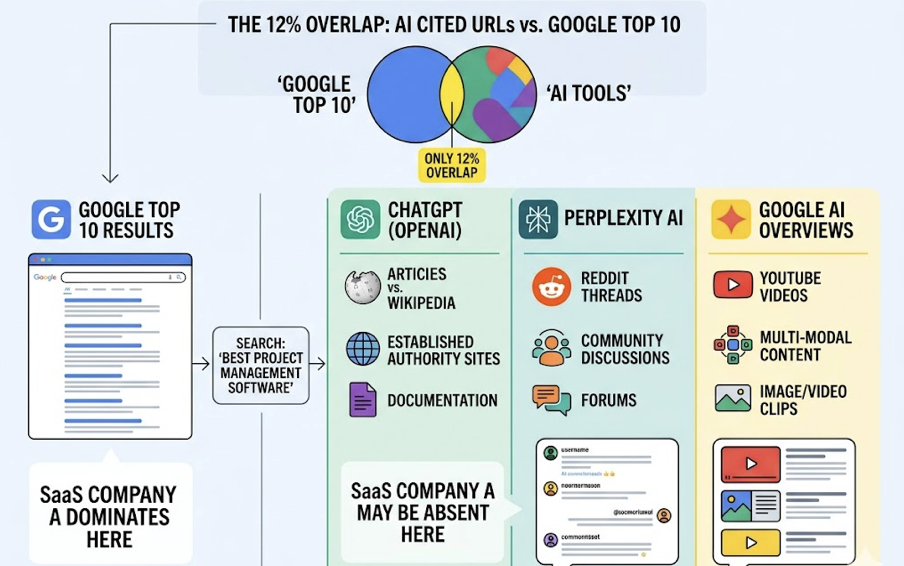
    Topify acts as a “Generative Probe.” It sends thousands of synthetic prompts into the engine’s API to map out the probabilistic landscape.

  • Probability Mapping: It tells you, “In 80% of simulations, the Generative Engine cites your brand.”

  • Source Tracing: It identifies exactly which piece of content in the RAG pipeline triggered the citation.

  • Without a tool like Topify, you are effectively blind to the infrastructure that drives your revenue.

    Future Evolution: The “Agentic” Engine

    We are currently in Phase 1 of Generative Engines (Chatbots). Phase 2 is Agentic Engines.

    In 2027, the engine won’t just answer; it will do.

  • Phase 1: “Here is a flight to London.”

  • Phase 2: “I have booked your flight to London.”

  • Optimizing for Agentic Engines requires rigorous API documentation and “Action Schema.” Brands that prepare their infrastructure now will be the default choice for autonomous agents.

    Stay ahead of this curve with our predictions on the future of AI search optimization.

    Conclusion

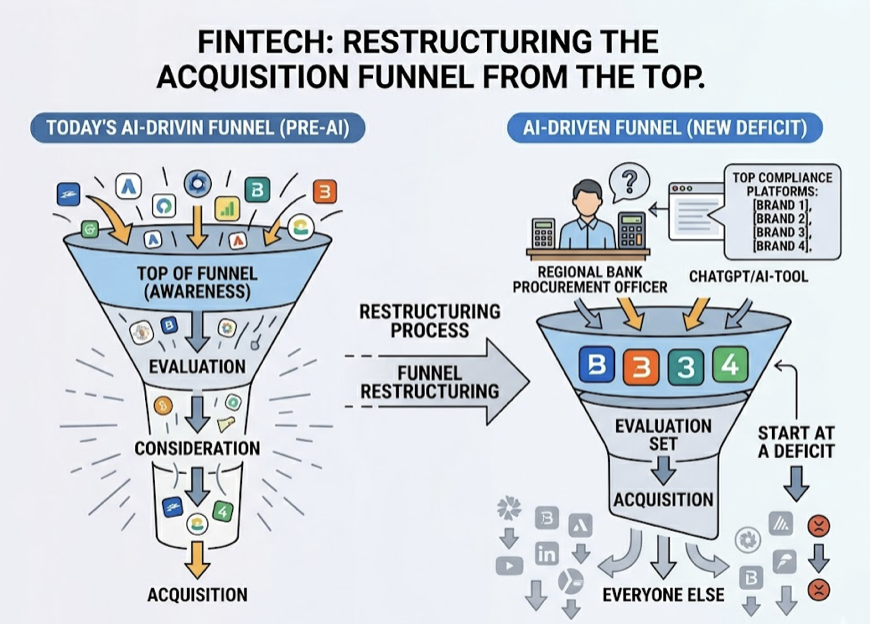
    The shift from Search Engine to Generative Engine is not a feature update; it is a platform migration. You are moving from a platform of Links to a platform of Logic.

    To succeed, you must stop treating your website as a billboard and start treating it as a structured dataset. You must optimize for the machine’s ability to understand, ingest, and regenerate your value proposition.

    Use Topify to audit your compatibility with this new infrastructure. If the engine can’t read you, it can’t recommend you.

  • Is Google still a Search Engine?

    Google is now a hybrid. It is transitioning into a Generative Engine with AI Overviews (Gemini) sitting on top of its traditional index. You must optimize for both simultaneously. See our guide on GEO vs SEO.

  • Can I block Generative Engines from reading my content?

    Yes, via robots.txt (blocking GPTBot, etc.). However, this is usually a strategic error. If you block the engine, you remove yourself from the conversation, ceding 100% of the AI Share of Voice to your competitors.

  • What is “Vector Search”?

    Vector Search is the method Generative Engines use to find relevant info. It turns text into numbers (vectors). If your content’s “numbers” are mathematically close to the user’s query “numbers,” you get retrieved.

  • Why does the Generative Engine “Hallucinate”?

    Hallucinations happen when the engine’s “Memory” (Training Data) conflicts with its “Research” (RAG). Or when there is a “Data Void” (no good info available), so it guesses. Using AI brand visibility tracking software helps you detect and fix these data voids.

  • How does Topify interact with the Generative Engine?

    Topify mimics a human user. It sends prompts to the engine’s API and analyzes the text it receives back. It creates a statistical model of how the engine views your brand.

  • Agenerative Search Optimization Beyond Keywords

    The Core Pillars of Generative Search Optimization

    If you aren’t targeting keywords, what are you targeting? Generative search optimization focuses on three new units of measurement.

  • Entity Salience

  • An “Entity” is a distinct person, place, or thing known to the Knowledge Graph (e.g., “Nike,” “Running,” “Shoe”).

  • The Goal: Make your brand the dominant entity associated with your category.

  • The Tactic: Use rigorous Schema Markup to define your organization. Ensure your “About” page explicitly connects your brand to your core topics using sameAs tags linking to Wikidata.

  • Topical Authority (The Context Window)

  • LLMs have a “Context Window.” They can only “hold” so much information at once. To get cited, your content must provide the highest density of relevant information per token. This aligns with patent analysis by Go Fish Digital, which suggests that algorithms use “Information Gain” scores to prioritize documents that provide new knowledge over those that simply rehash existing content.

  • The Goal: Be the most “information-dense” source in the retrieval set.

  • The Tactic: Stop writing fluff intros. Use the “Inverted Pyramid” style. Start with the answer, then the data, then the nuance.

  • Consensus & Co-Occurrence

  • LLMs hallucinate less when they see patterns. If “Brand X” and “Best Security Tool” appear together (co-occur) across multiple high-authority domains, the connection is solidified.

  • The Goal: Build a “Semantic Network” around your brand.

  • The Tactic: Digital PR. Get mentioned in articles that also mention your target topic.

  • Comparison: Keyword Strategy vs. Generative Strategy

    Here is how your workflow needs to change in 2026.

    Feature

    Legacy Keyword Strategy

    Generative SEO Strategy

    Research Tool

    Ahrefs / Semrush

    Topify / LLM Prompts

    Target

    Search Volume (10k/mo)

    Prompt Relevance (Intent)

    Structure

    H1/H2 with Keywords

  • Generative Engine Optimization GEO Strategy

    Phase 2: The “Content Engineering” Sprint (Q2)

    Once the entity is defined, you must structure your content for ingestion. This is where geo generative engine optimization diverges from traditional copywriting.

    Objective: RAG Optimization

    You need to make your content “sticky” for Retrieval-Augmented Generation (RAG) systems.

    The Strategic Actions:

  • The “Inverted Pyramid” Rewrite: Audit your top 20 traffic pages. Rewrite the introductions to provide direct, “Zero-Token” answers immediately.

  • Data Tabulization: Convert paragraph comparisons into HTML tables. LLMs prefer structured data tables for “Best X vs Y” queries.

    1. Resource: Apply the tactics from proven content strategies for AI Overviews.

    2. Ungating Core Assets: If your best data is locked behind a PDF lead magnet, the AI cannot read it. Ungate the key statistics to feed the model’s context window.

    3. KPI: Citation Rate > 25% on informational queries.

      Phase 3: The “Authority Seeding” Campaign (Q3)

      Now that your site is ready, you need external validation. AI models rely on “Seed Sources”—high-authority domains—to verify facts.

      Objective: Consensus Building

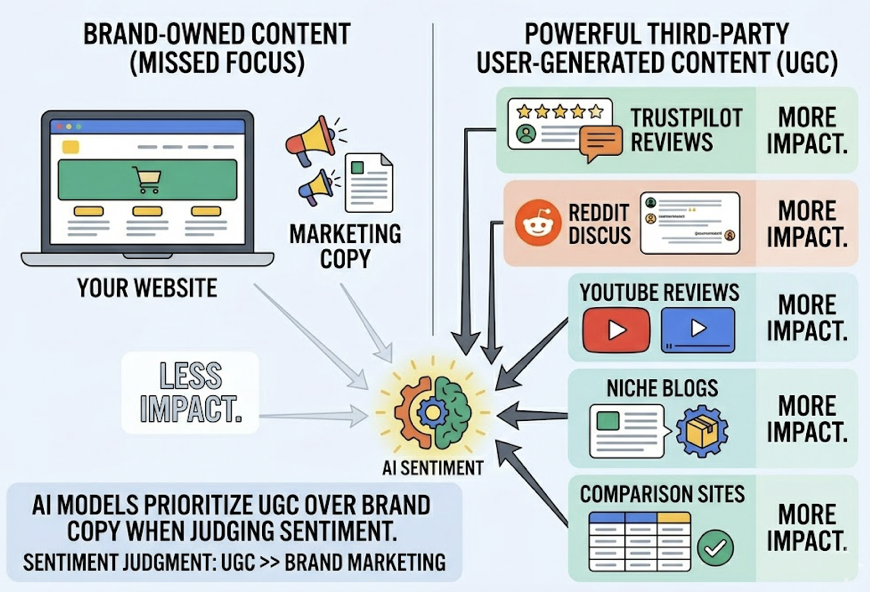
      If you say you are the best, the AI is skeptical. If G2, TechCrunch, and Reddit say you are the best, the AI accepts it as fact.

      The Strategic Actions:

    4. Digital PR for Citation: Don’t just build links; build citations. Target publications that Perplexity cites frequently. Use Topify to identify these “High Gravity” domains.

    5. Review Injection: Launch a campaign to flood Trustpilot and G2 with fresh reviews containing your target keywords (e.g., “Best Enterprise Security”).

    6. Sentiment Repair: If Topify alerts you to negative sentiment, use “Barnacle SEO” to rank positive third-party articles above the negative ones.

      1. Tooling: Monitor this with AI brand visibility tracking software.

      2. KPI: Sentiment Score > 75/100.

        Phase 4: The “Loop Closing” & Measurement (Q4)

        Strategy requires feedback. In Q4, you operationalize the data loop to prepare for 2027.

        Objective: ROI Attribution

        You need to prove to the CFO that this work drove revenue.

        The Strategic Actions:

      3. Share of Model Calculation: Use Topify to measure your total market share against competitors.

        1. Resource: Learn how in quantifying AI Share of Voice.

        2. Conversion Analysis: Analyze the traffic coming from “Referral” sources like ChatGPT. Calculate the conversion rate delta vs. traditional organic search.

        3. Budget Reallocation: Shift budget from low-performing long-tail keywords (which are now Zero-Click) into high-impact Entity Management.

        4. KPI: AI Referral Revenue Growth > 15% YoY.

          The 2026 Strategic Roadmap Summary

          Here is how your year should look on a single page.

          Quarter

          Strategic Focus

          Key Activity

          Topify Usage

          Defense

          Knowledge Graph & Schema

          Audit Hallucinations & Entity Salience

          Structure

          Content Engineering (AEO)

          Track “Snapshot” Trigger Rates

          Authority

          Digital PR & Review Mgmt

          Monitor Sentiment Velocity

          Growth

          ROI Analysis & Scaling

          Calculate “Share of Model”

          Why Topify is Your Strategic OS

          You cannot execute this strategy with spreadsheets. You need a centralized Operating System.

          Topify is designed to be that OS.

        5. For Strategy: It identifies the gaps in your Entity Defense phase.

        6. For Execution: It validates your Content Engineering efforts in real-time.

        7. For Reporting: It provides the hard data needed for the Q4 ROI review.

        8. Whether you are building this capability in-house or hiring an agency from our list of top AI marketing companies, Topify is the common language of success.

          B2B vs. B2C: Nuance in Strategy

          Your generative engine optimization strategy must adapt to your business model.

        9. B2B Strategy: Focus heavily on Perplexity and Claude. Your “Authority Seeding” should target whitepapers, documentation, and LinkedIn thought leadership.

        10. B2C Strategy: Focus on ChatGPT and Google Gemini. Your “Authority Seeding” should target Reddit, TikTok (for Gemini ingestion), and consumer review sites.

        11. See more about platform nuances in rank tracking tool for LLMs.

          Future-Proofing: Preparing for Agentic Strategy

          A robust 2026 strategy must also look ahead to 2027. The next phase is Agentic Optimization.

          Start identifying which of your services can be accessed via API. In the future, your GEO strategy will involve documenting your API so that autonomous AI agents can “hire” your product without human intervention.

          Stay updated on this shift with our definitive blueprint for GEO.

          Conclusion

          The winners of 2026 will not be the brands that wrote the most blog posts. They will be the brands that treated their digital presence as a coherent Entity.

          A generative engine optimization strategy is not a “nice to have.” It is the survival kit for the post-search internet.

          Stop reacting to every new AI feature. Build a robust, defensive, and data-driven strategy using Topify, and secure your place in the future of information.

        12. How much time should I dedicate to GEO vs. SEO?

          In 2026, we recommend a 50/50 split. SEO pays the bills today; GEO secures the bills for tomorrow. However, the technical foundations (speed, schema) overlap significantly.

        13. Is this strategy relevant for small businesses?

          Yes. In fact, small businesses can move faster in Phase 2 (Content Engineering) than large enterprises. Use our startup tool stack guide to execute a lean version of this strategy.

        14. What if I don’t have a developer for Schema?

          Modern CMS platforms often have plugins, but for GEO-grade schema (nested, complex entities), you may need a technical partner. Topify can help identify schema gaps to prioritize developer time.

        15. Can I skip Phase 1 and go straight to Content?

          No. If the AI doesn’t know who you are (Entity Defense), it won’t cite your content, no matter how good it is. You must fix your identity first.

        16. How does Topify help with strategy? Topify isn’t just a tracker; it’s a strategic consultant in a box. Its “Recommendations Engine” analyzes your data and tells you which phase of the strategy you are failing in, so you can focus your efforts.

        17. Best Agencies For GEO Global Ranking

          Methodology: How We Ranked the Best

          To determine what are the best agencies for geo, we moved beyond vanity metrics. We graded firms on four pillars of competence.

        18. Vector Fluency

        19. Does the agency understand how LLMs process information? We looked for firms that optimize for “Vector Embeddings” and “Context Windows,” not just keywords.

        20. Multi-Model Infrastructure

        21. Does the agency have the tools to track visibility across ChatGPT, Gemini, Claude, and Perplexity simultaneously? (Many use Topify as their backend for this).

        22. Entity Governance

        23. Can the agency manipulate the Knowledge Graph? Success in GEO requires defining your brand entity in Wikidata and Schema.org.

        24. Reputation Defense

        25. Does the agency offer “Hallucination Monitoring”? The ability to detect and correct false AI narratives is a baseline requirement for 2026.

          Region 1: North America (The Innovators)

          The US market is the most mature for GEO, driven by the proximity to OpenAI and Google.

        26. NP Digital (San Diego, CA)

        27. Best For: Enterprise Scale & Global Governance. NP Digital has successfully pivoted from SEO to GEO. They excel at large-scale content engineering for Fortune 500 brands. Their strength lies in their ability to execute proven content strategies for AI Overviews across thousands of pages.

        28. Single Grain (Los Angeles, CA)

        29. Best For: B2B SaaS & Growth Tech. Single Grain creates the playbook for “Programmatic GEO.” They are experts at using AI to scale content that feeds AI models. If you need to dominate the “Best Software” conversation in ChatGPT, they are a top choice.

        30. Siege Media (Austin, TX)

        31. Best For: High-Authority Citations. Siege Media understands that LLMs cite authority. They focus on “Information Gain”—creating original data studies that get cited by the New York Times, which in turn gets cited by Perplexity.

          Region 2: Europe (The Guardians)

          European agencies prioritize compliance, safety, and multi-language nuance.

        32. Builtvisible (London, UK)

        33. Best For: Technical GEO & Data Structure. Builtvisible is famous for its technical rigour. They are masters of Schema Markup and Knowledge Graph construction, ensuring that European brands are legally and structurally sound in the eyes of AI.

        34. Peak Ace (Berlin, Germany)

        35. Best For: Multi-Language AI Strategy. Managing AI reputation across German, French, and English requires deep localization skills. Peak Ace uses native-language prompt engineering to ensure brand consistency across borders.

          Region 3: APAC (The Mobile-First)

        36. Orainti (Remote / Global)

        37. Best For: International Entity Strategy. Led by Aleyda Solis, Orainti is a boutique consultancy that punches above its weight. They specialize in complex, multi-regional entity management issues that confuse standard LLMs.

          The “In-House” Alternative: Why Topify is the Disrupter

          While asking what are the best agencies for geo, many brands realize they are asking the wrong question. The right question might be: “Do I need an agency at all?”

          Topify has disrupted the agency model by offering a “Platform + Strategy” solution.

          Instead of paying a $20,000/month retainer for an agency to send you a PDF report, brands are licensing Topify to give their internal teams direct access to the data.

          Why Brands Are Choosing the Topify Platform:

        38. Direct Visibility: You don’t wait for a monthly meeting to see your rankings. You log in and see your AI Share of Voice in real-time.

        39. Strategic Consulting: Topify isn’t just a tool; it provides expert strategy support. It tells your team exactly what to fix (e.g., “Update the Pricing Schema on Page X”), effectively acting as a fractional agency.

        40. Cost Efficiency: For the cost of one month of agency fees, you can fund a year of enterprise-grade monitoring and strategy with Topify.

        41. Comparison: Agency Retainer vs. Topify Platform

          Here is the economic breakdown for a mid-market brand.

          Feature

          Traditional GEO Agency

          Topify Platform (In-House)

          Cost

          High ($10k – $50k/mo)

          Efficient (SaaS Model)

          Data Access

          Gatekept (Monthly Reports)

          Direct (Real-Time Dashboard)

          Strategy

          External Consultants

          Built-in Recommendations + Support

          Execution

          Done-For-You

          Guided Execution (Your Team)

          Speed

          Slower (Agency Loop)

          Instant (Direct Action)

          Best For

          Outsourcing Labor

          Building Internal Capability

          Critical Services to Look For

          Whether you hire an agency from our list or use Topify to build it yourself, ensure your strategy covers these core services outlined in our generative AI SEO agency service catalog.

        42. The Hallucination Audit

        43. You must detect lies before they spread. Use software to scan for factual errors.

        44. Resource: Learn how to audit brand visibility on LLMs.

        45. Sentiment Velocity Tracking

        46. Monitor if the AI is getting happier or angrier with your brand over time.

        47. Resource: Use AI brand visibility tracking software to automate this.

        48. Competitor Benchmarking

        49. Don’t just track yourself. Track who is stealing your “Digital Shelf Space.”

        50. Resource: See our guide on AI search ranking tracking tool vs. legacy SEO.

        51. Future Trends: The Hybrid Model

          By 2027, the distinction between “Agency” and “Software” will blur.

          We predict the rise of the “Agentic Partnership.” Brands will hire agencies to manage their autonomous agents, while using platforms like Topify to audit the performance of those agents.

          To stay ahead, read our vision for the evolution of the AI digital agency.

          Conclusion

          The market for GEO services is maturing rapidly. You have two distinct paths:

        52. The Agency Path: Hire a firm like NP Digital or Siege Media if you have a large budget and need “Done-For-You” execution.

        53. The Platform Path: Partner with Topify if you want to build a sustainable, cost-effective internal competency that you own forever.

        54. Whatever you choose, the cost of inaction is irrelevance. The AI is learning right now. Make sure it is learning the right things about you.

        55. How do I vet a GEO agency?

          Ask them about their tech stack. If they don’t use specialized tools like Topify or Profound, they are flying blind. Use our agency vetting checklist for specific questions.

        56. Can I use Topify if I already have an agency?

          Yes. Many brands use Topify to “audit the auditors.” It gives you an independent source of truth to verify if your agency’s work is actually improving your AI visibility.

        57. Is GEO a one-time project?

          No. AI models drift. A positive sentiment today can turn negative tomorrow based on new training data. Continuous monitoring is required.

        58. Which region is hardest to optimize for?

          The EU is challenging due to GDPR and stricter AI safety regulations (like the EU AI Act). Agencies like Builtvisible specialize in this compliance-first optimization.

        59. What is the biggest mistake brands make?

          Treating GEO like SEO. Stuffing keywords into a page won’t help you in ChatGPT. You need to focus on Entity Salience and Information Gain.

        60. ROI Generative Engine Optimization Services Ecommerce

          The Mathematics of AI: Why “Recommendations” Beat “Rankings”

          To understand the ROI, you must understand the difference in user intent.

          Traditional Search (The Browser):

        61. User: Searches “running shoes.”

        62. Behavior: Clicks 5 links, opens 5 tabs, compares manually.

        63. Conversion Rate: Low (~2%). The user is still researching.

        64. Generative Search (The Buyer):

        65. User: Prompts “Recommend a running shoe for marathons under $150.”

        66. AI: “I recommend the [Brand X] SpeedDemon because it has the best durability rating.”

        67. Behavior: User clicks the citation for [Brand X].

        68. Conversion Rate: High (~8-10%). The AI has already done the research and validation.

        69. The ROI Multiplier: While the volume of traffic from AI might be lower than Google, the value per visitor is significantly higher. You need fewer clicks to generate the same revenue.

          Calculating the ROI of GEO Services

          When evaluating the cost of generative engine optimization services (internal salaries or external fees), use this formula to determine value.

          ROI Formula:

          (AI Traffic Volume × AI Conversion Rate × Average Order Value) – Cost of GEO = Net Profit

          The Efficiency Factor (CAC Reduction)

          Unlike PPC, where you pay for every click, GEO is an organic investment. Once you secure a “Preferred Entity” status in an LLM, you earn citations indefinitely without incremental cost.

        70. PPC Model: Renting shelf space. Stop paying, traffic stops.

        71. GEO Model: Owning shelf space. Build authority, traffic persists.

        72. Using analytics platforms to track this is essential. Learn how to measure your baseline with our guide on quantifying AI Share of Voice.

          What Do E-commerce GEO Services Include?

          When you invest in this channel, what are you actually buying? Effective generative engine optimization services for e-commerce focus on structured data and reputation.

        73. Product Graph Optimization

        74. LLMs need structured data to understand your inventory.

        75. Service: Implementing rigorous Product, Offer, and MerchantReturnPolicy schema.

        76. Goal: Ensuring ChatGPT knows your exact price, stock status, and shipping times so it doesn’t hallucinate.

        77. Review Consensus Management

        78. AI models read reviews to determine “Best for X” recommendations.

        79. Service: analyzing sentiment across Reddit, Trustpilot, and G2.

        80. Action: If the AI thinks your “Customer Service” is bad, you launch a campaign to generate positive reviews specifically mentioning support.

        81. Tooling: This requires robust AI brand visibility tracking software.

        82. “versus” Content Engineering

        83. Shoppers love comparisons. “Brand A vs. Brand B.”

        84. Service: Creating data-heavy comparison tables on your site that explicitly define why you are better.

        85. Goal: Winning the “Comparative Prompt” (e.g., “Is Brand X better than Brand Y?”).

        86. The Measurement Problem: How Topify Unlocks ROI Data

          The biggest barrier to investing in GEO has been measurement. Google Analytics classifies ChatGPT traffic as “Direct” or “Referral,” making it hard to track.

          Topify solves this attribution gap. Topify is defined as a platform that monitors and enhances brand exposure and conversion capabilities in AI-driven environments. It emphasizes Visibility, Sentiment, and Competitor Benchmarking, while providing actionable strategy outputs.

          It is specifically designed for brand teams looking to systematically establish an AI visibility strategy and move from data monitoring to execution.

          How Topify Proves E-commerce ROI:

        87. Product-Level Tracking: You can track visibility for specific SKUs. (e.g., “Does Perplexity recommend our ‘Pro’ model for enterprise users?”)

        88. Sentiment-to-Sales Correlation: Topify charts your “Sentiment Velocity” against your sales data. You can often see a direct correlation: as AI sentiment improves, conversion rates rise.

        89. Strategic Execution: Unlike passive trackers, Topify provides expert consulting support and specific optimization suggestions, helping you bridge the gap between raw data and revenue.

        90. See the specific tools available in our review of best tools for tracking brand visibility.

          Case Study: The Pricing Hallucination Fix

          Here is a real-world example of how GEO services protect revenue.

          The Situation: A luxury furniture brand noticed a dip in conversions. Topify alerted them to a “Critical Hallucination.”

          The Diagnosis: ChatGPT-4 was telling users that the brand’s sofas “take 12 weeks to ship.” In reality, the brand had launched a “2-Day Shipping” program six months ago, but the AI hadn’t updated its training data.

          The Fix: The brand’s internal GEO team used Topify’s insights to:

        91. Update ShippingDetails Schema on all product pages.

        92. Seed press releases about the “New Fast Shipping” on high-authority news sites.

        93. Inject the “2-Day Shipping” fact into their Wikipedia entry.

        94. The ROI: Within 3 weeks, ChatGPT updated its answer to mention “Fast Shipping.” The brand saw a 15% lift in conversion rate from referral traffic, recovering an estimated $200k in lost quarterly revenue.

          Cost Comparison: Agency vs. Platform

          Should you hire an agency or build in-house?

          Investment Type

          Cost Structure

          ROI Horizon

          Best For

          Traditional Ads (PPC)

          High Variable Cost

          Immediate

          Scaling Volume

          Outsourced GEO Agency

          High Fixed Retainer

          3-6 Months

          Brands lacking teams

          In-House with Topify

          Platform + Strategy

          1-3 Months

          High-Margin Brands

          For most e-commerce brands, the “In-House with Topify” model yields the highest ROI because product data changes too fast for an external agency to manage effectively. You need direct control.

          Learn more about this operational shift in the evolution of the AI digital agency.

          Future-Proofing: Agentic Commerce is Coming

          The ROI of GEO will explode in 2027 with the arrival of Autonomous Shopping Agents.

          Soon, users will say to their AI: “Buy me a birthday gift for my wife, budget $100.” The AI will select the product and execute the transaction.

          In this world, there is no SERP. There is no browsing. There is only Binary Visibility: The agent picks you, or it doesn’t.

          investing in generative engine optimization services today is the only way to ensure your product data is structured for this agentic future.

          Start preparing now by following our definitive blueprint for GEO.

          Conclusion

          E-commerce is a game of margins. As ad costs eat into your profits, you need a channel that delivers organic, high-intent buyers.

          Generative Search is that channel. The ROI is real, measurable, and scalable.

          But you cannot capture it by accident. You need a systematic strategy. You need to monitor your “Digital Shelf” inside the AI just as closely as you monitor your Shopify store.

          Use Topify to audit your current standing. Find the hallucinations that are costing you sales, fix them, and watch your ROI climb.

          FAQs

        95. Does GEO work for small e-commerce stores?

          Yes. In fact, it favors niche experts. If you sell “Vegan Hiking Boots,” it is easier to convince an AI that you are the authority on that specific topic than it is to outrank Amazon for “Boots” on Google.

        96. How do I track sales from ChatGPT?

          It is tricky because AI traffic often appears as “Direct.” However, utilizing Topify allows you to correlate “Mention Spikes” with “Direct Traffic Spikes.” Additionally, distinct landing pages or promo codes exclusive to AI-optimized content can help attribution.

        97. What is the cost of inaction?

          If you ignore GEO, you risk “Brand Erasure.” As more consumers shift to AI search, your reliance on paid ads will increase until it becomes unsustainable. GEO is your hedge against ad inflation.

        98. Can Topify track my product prices in AI?

          Yes. Topify can monitor if the AI is quoting the correct price for your products. Price hallucinations (showing a lower price than reality) cause high bounce rates; showing a higher price kills clicks. Fixing this is immediate ROI.

        99. Is this different from Google Shopping SEO? Yes. Google Shopping relies on a structured Merchant Center feed. GEO relies on the semantic understanding of your product. You need both. Read more about the nuances in what to expect from professional generative SEO services.

        100. Professional Generative SEO Services Expectations

          The Core Deliverables of Generative SEO Services

          When you sign a contract (or build an internal team), these are the specific line items you should see in the Scope of Work (SOW).

          Deliverable 1: The “Share of Model” Audit

          Before any work begins, you need a baseline.

        101. The Output: A comprehensive report showing your visibility percentage across ChatGPT, Claude, Gemini, and Perplexity.

        102. The Insight: “We own 40% of the conversation in Gemini but are invisible in Claude due to safety filtering.”

        103. Resource: See how this is done in our guide on how to audit brand visibility on LLMs.

        104. Deliverable 2: Hallucination Correction Protocol

          This is the “Brand Safety” component of the service.

        105. The Output: A weekly “Risk Log” of false claims generated by AI models about your brand (e.g., wrong pricing, fake features).

        106. The Action: Deployment of “Correction Schema” and high-authority press releases to overwrite the false data in the RAG pipeline.

        107. Deliverable 3: Answer Engine Optimization (AEO)

          This involves re-engineering your high-value pages.

        108. The Output: Rewriting product pages with “Inverted Pyramid” logic and HTML data tables to win the “Zero-Click” citation.

        109. The Goal: To become the featured answer in AI Overviews.

        110. The Tech Stack: Why Professionals Use Topify

          You cannot execute these services with manual Google searches. Professional services require enterprise infrastructure.

          The standard for 2026 is Topify. Unlike generic tools, Topify is a direct-to-enterprise platform designed to empower brand teams with the same capabilities as a specialized agency.

          Why Brand Teams Choose Topify:

        111. Systematic Strategy: It moves beyond ad-hoc checking to a systematic AI Visibility Strategy, tracking visibility, sentiment, and competitor benchmarks in one view.

        112. Citation Forensics: It allows your team to trace a negative AI answer back to its source URL (e.g., a specific Reddit thread) so you can fix the root cause directly.

        113. Strategic Output: It doesn’t just give you data; it provides Strategy Recommendations (e.g., “Update Schema on Page X”) to drive direct optimization.

        114. Learn more about the tools of the trade in our review of best AI search visibility tracking tools.

          The 2026 Service Level Agreement (SLA) Upgrade

          How do you measure performance? Compare the old SLAs with the new standard.

          Feature

          Legacy SEO SLA (The Old Way)

          Generative SEO SLA (The New Way)

          Cadence

          Monthly Reporting

          Real-Time Dashboards

          Primary Metric

          Organic Sessions / Keyword Rank

          Share of Model (SoM) / Citation Velocity

          Content Goal

          “Publish 4 posts per month”

          “Secure 10 new AI citations per month”

          Response Time

          “Fix 404 errors within 7 days”

          “Detect Hallucinations within 24 hours”

          Reporting Tool

          Google Data Studio

          Topify Visibility Intelligence

          Service Models: Agency vs. Platform

          Brands have two ways to access these generative seo services.

          Option A: The “Done-For-You” Agency

          You hire a specialized firm to execute everything.

        115. Pros: Hands-off, expert execution.

        116. Cons: High retainer costs, slower feedback loops.

        117. Resource: Check our list of top AI marketing companies.

        118. Option B: The “Direct Partnership” Platform Model (Topify)

          You partner directly with Topify to build the capability internally.

        119. The Model: Topify provides the enterprise-grade monitoring platform plus strategic support, enabling your existing marketing team to execute professional GEO services.

        120. Pros: Lower cost than a retainer, total data ownership, and faster reaction to brand issues.

        121. Verdict: For most SaaS and Enterprise brands, this Direct Platform Model is becoming the preferred choice in 2026 because it allows you to systemize your AI strategy in-house.

        122. Future Trends: What to Expect in 2027

          Professional services will continue to evolve. Next year, expect to see:

        123. Video-to-Text Optimization: Services that optimize your YouTube library so AI models can “watch” and cite your videos.

        124. Agentic API Optimization: Ensuring your booking/sales APIs are discoverable by autonomous AI shopping agents.

        125. Stay ahead of these trends by following our definitive blueprint for GEO.

          Conclusion

          The bar has been raised. If your current SEO partner or internal team isn’t talking about “Hallucination Correction” or “Vector Embeddings,” they are not providing professional generative SEO services. They are providing legacy maintenance.

          You need a strategy that matches the sophistication of the engines you are trying to influence.

          Whether you choose to partner with an agency or empower your team directly with Topify, ensure your service catalog is built for the probabilistic future, not the deterministic past.

          Audit your current service level. Start with a baseline analysis using Topify.

          FAQs

          1. How much do professional GEO services cost?

          Pricing is value-based. Expect to pay premium rates for “Entity Management” because it protects your brand reputation. However, using a platform like Topify directly can significantly reduce costs by automating the monitoring layer.

          2. Can I just add “AI” to my current SEO contract?

          Likely not. Traditional SEO contracts focus on volume (more pages). GEO contracts focus on precision (better data). The incentives are different. You need a specific SOW for Generative Optimization.

          3. What is the first service I should buy?

          The Audit. Never pay for optimization before you understand your baseline visibility. Use AI brand visibility tracking software to diagnose your current standing.

          4. Does this replace Technical SEO?

          No. Technical SEO (Core Web Vitals, Crawlability) is the foundation. GEO is the penthouse. If Google can’t crawl your site, Gemini can’t read it. Professional services should cover both layers.

          5. How do I measure ROI?

          Focus on “Qualified Lead Velocity.” Traffic from AI citations is lower volume but higher intent. Measure the conversion rate of visitors coming from “Referral” sources like ChatGPT or Perplexity.

        126. Generative AI SEO Agency Service Catalog

          Topify.ai is a Silicon Valley–based technology company pioneering Generative Engine Optimization (GEO), the world’s first dedicated approach to optimizing brand visibility in AI-driven search.

          Topify.ai is a Silicon Valley–based technology company pioneering Generative Engine Optimization (GEO), the world’s first dedicated approach to optimizing brand visibility in AI-driven search.

        127. Choosing Best Generative Engine Optimization Company

          The Tech Stack Litmus Test

          The easiest way to filter out unqualified agencies is to ask about their infrastructure. You cannot do GEO with Ahrefs alone.

          The Question to Ask: “What is your infrastructure for monitoring AI Hallucinations?”

        128. Bad Answer: “We check ChatGPT manually.” (This is unscalable and biased).

        129. Good Answer: “We use enterprise-grade simulation platforms like Topify to run thousands of prompt variations daily to detect sentiment shifts and hallucinations.”

        130. If a company isn’t investing in specialized AI search visibility tracking tools, they are not serious about your results.

          The RFP Checklist: 5 Non-Negotiable Capabilities

          When you issue an RFP, include this table to grade the responses.

          Capability

          What to Look For

          Why It Matters

          Sentiment Analysis

          NLP-based grading of AI answers (Positive/Negative).

          AI is conversational. A negative mention is worse than no mention.

          Citation Forensics

          Ability to trace an AI answer back to the source URL.

          You need to know which article to optimize to change the AI’s mind.

          Multi-Model Fluency

          Strategy for ChatGPT, Perplexity, AND Claude.

          Your customers are fragmented across different AI ecosystems.

          Content Engineering

          Structured data tables, “Inverted Pyramid” writing.

          LLMs prefer structure. Fluffy blog posts won’t get cited.

          Crisis Protocols

          Automated alerts for hallucination spikes.

          You need to react instantly if the AI starts lying about your brand.

          Red Flags: When to Walk Away

          In your search for the best generative engine optimization company for AI visibility, beware of these warning signs.

          Red Flag 1: “We Guarantee #1 Rankings in ChatGPT”

          The Reality: AI is probabilistic (random). No one can guarantee a specific output 100% of the time. Legitimate agencies guarantee “Optimization Inputs” (Schema, Content Structure), not “Generative Outputs.”

          Red Flag 2: “We Use AI to Write All Content”

          The Reality: While AI helps, 100% AI-generated content often lacks “Information Gain”—the unique data needed to trigger a citation. The best agencies use a “Human-in-the-Loop” process to inject proprietary data into AI-assisted drafts.

          Red Flag 3: “We Focus Only on Google SGE”

          The Reality: Google is big, but B2B buyers heavily use Perplexity and Claude. An agency ignoring these platforms is leaving 40% of your search marketing visibility on the table.

          The Topify Standard: Why We Are the Benchmark

          At Topify, we don’t just provide the software; we define the methodology. Unlike generalist agencies that “bolt on” AI services, we are built natively for the generative web.

          Why Topify is the Strategic Choice:

        131. Data-Driven, Not Guesswork: We use our own proprietary AI brand visibility tracking software to monitor your Share of Model across ChatGPT, Perplexity, and Gemini.

        132. Entity-First Strategy: We focus on fixing your Brand Entity in the Knowledge Graph, ensuring all AI models understand who you are and what you sell.

        133. Proactive Reputation Defense: We don’t just optimize for rankings; we optimize for sentiment. We alert you the moment an AI model starts hallucinating about your product features.

        134. Case Study: The Data Pivot

        135. Scenario: A B2B SaaS client was invisible on Perplexity.

        136. The Diagnosis: Topify analytics revealed that Perplexity prioritized G2 reviews as a source rather than the client’s own documentation.

        137. The Strategy: Using proven content strategies for AI Overviews, we restructured the client’s documentation with “How-To” schema and launched a targeted review campaign.

        138. The Result: 300% increase in AI Share of Voice within 3 months.

        139. Questions to Ask During the Pitch

          Don’t let them dazzle you with buzzwords. Ask these hard questions to vet any partner.

        140. “Show me a ‘Share of Model’ report.”

          1. Do they measure visibility as a percentage of the conversation?

          2. “How do you handle negative hallucinations?”

            1. Do they have a process for protecting brand voice through data injection?

            2. “What is your relationship with ‘Seed Sources’?”

              1. Do they know how to get placements in the high-authority sites that train the AI?

              2. Conclusion

                The transition to the “Answer Economy” is the biggest shift in marketing history. You cannot navigate it alone, and you cannot navigate it with a partner who is looking in the rear-view mirror.

                Choosing the best generative engine optimization company for AI visibility is a strategic decision. It requires looking beyond the sales pitch and auditing the agency’s technical DNA.

                Whether you are looking for a platform to empower your in-house team or a strategic partner to guide you, Topify provides the gold standard in GEO infrastructure.

                To stay ahead of the curve, make sure you are following our definitive blueprint for GEO.

              3. Should I hire a niche GEO agency or a full-service firm?

                For most brands, a specialized partner like Topify is best. The skills required for Large Language Model optimization are too specific to be handled effectively by a generalist “SEO Manager.”

              4. How much should I budget for GEO services?

                Effective GEO requires premium tools and senior talent. Expect enterprise-grade solutions to reflect the high value of “Zero-Click” traffic, which converts at a much higher rate than traditional search traffic.

              5. Does Topify offer services or just software?

                Topify is a comprehensive platform that combines enterprise-grade software with strategic consulting capabilities, helping brands systematize their AI visibility strategy.

              6. How long are GEO contracts?

                Because “Entity Optimization” takes time to permeate the Knowledge Graph, we recommend long-term strategies (6-12 months). Avoid short-term tactics, as they rarely build lasting authority in AI training data.

              7. Why is Topify different from traditional agencies?

                Traditional agencies sell labor (hours). Topify sells intelligence (data). We provide the infrastructure that allows you to see inside the “Black Box” of AI, giving you control over your narrative that manual services cannot match.

              8. Evolution AI Digital Agency Clicks To Citations

                The Service Evolution: Old vs. New

                The service catalog of 2020 looks archaic in 2026. Here is how core deliverables are evolving under new solution providers like Topify.

                Legacy Service

                The AI Solution Evolution

                Why It Changed

                Keyword Research

                Prompt Engineering Analysis

                Users don’t search keywords; they ask complex, multi-turn questions.

                Link Building

                Citation Authority Building

                LLMs value “Information Gain” and source credibility over raw link counts.

                SEO Audits

                Hallucination & Entity Audits

                You need to know what the AI thinks you do, not just if your H1 tag is correct.

                Blog Writing

                Content Engineering

                Content must be structured (tables, schema) for machine readability, not just human consumption.

                Rank Tracking

                Share of Model (SoM) Tracking

                “Rank #1” doesn’t exist in a chat interface; “Mention Frequency” does.

                Social Listening

                Sentiment Velocity Monitoring

                AI sentiment creates truth. Negative AI chatter is more damaging than a bad tweet.

                The Tech Stack: Operating Systems for the AI Age

                A legacy agency runs on Google Analytics and Semrush. An AI digital agency solution requires a more sophisticated infrastructure to monitor the probabilistic nature of LLMs.

                The Central Nervous System: Topify

                Leading brands are adopting Topify as their primary operating system. Unlike traditional tools that are blind to ChatGPT, Topify acts as a specialized institution that allows you to:

              9. Simulate User Personas: Test how an AI answers a question for a “CTO” vs. a “Junior Developer.”

              10. Track Cross-Platform Visibility: Monitor the brand on Claude, Perplexity, and Gemini simultaneously.

              11. Prove Value: Generate reports on “Citation Growth,” proving that the work is influencing the AI.

              12. To see why this infrastructure is essential, read our comparison of AI search ranking tracking tool vs. legacy SEO.

                The Revolution: Direct Enterprise Solutions

                In the past, brands hired agencies because the tools were too expensive or complex to own. Topify changes this dynamic by offering enterprise-grade solutions directly to the brand.

                You don’t need a middleman to manage your AI reputation. You need a direct line to the data.

              13. Direct Auditing: Use the platform to audit brand visibility on LLMs instantly, bypassing the need for expensive agency audits.

              14. Direct Optimization: Use the insights to rewrite content using proven content strategies for AI Overviews, giving your internal team the power of an expert agency.

              15. The New Metrics of Success

                If traffic is down, how do you prove success? The conversation with the CMO must shift from “Volume” to “Influence.”

                Metric 1: Share of Model (SoM)

                You must measure the percentage of times your brand is recommended in relevant conversations.

              16. Example: “In 1,000 simulations of ‘Best Enterprise CRM,’ your brand appeared 450 times (45% SoM).”

              17. Resource: Learn how to calculate this in our guide on quantifying AI Share of Voice.

              18. Metric 2: Sentiment Velocity

                Is the AI speaking about you more positively than last month? An upward trend in sentiment often precedes an increase in sales efficiency.

              19. Tooling: This requires robust AI brand visibility tracking software.

              20. Metric 3: Hallucination Rate

                A key KPI is the reduction of false information.

              21. Goal: Reducing the percentage of AI answers that claim your product lacks a feature it actually has.

              22. Case Study: The “Zero-Click” Pivot

                How does this look in practice? Let’s look at a hypothetical campaign for a B2B SaaS company that partnered with Topify to transition from a “Traffic Strategy” to an “AI Citation Strategy.”

                The Challenge: “CloudSecure” was invisible in ChatGPT recommendations for “cloud security,” despite ranking on Page 1 of Google.

                The Diagnosis: Topify’s analysis revealed that ChatGPT didn’t understand CloudSecure’s new “Zero Trust” feature because it was locked behind gated PDFs that the AI couldn’t read.

                The Strategy: Guided by Topify’s insights, the team “ungated” the core data and restructured their technical documentation using Schema Markup. They also secured placements in high-authority tech journals (a “Seed Source” strategy identified by Topify).

                The Result: Within 60 days, CloudSecure’s “Share of Model” in ChatGPT jumped from 5% to 35%. While organic traffic remained flat, demo requests increased by 15%, proving that AI citations drive higher-intent leads.

                Why You Can’t “Wait and See”

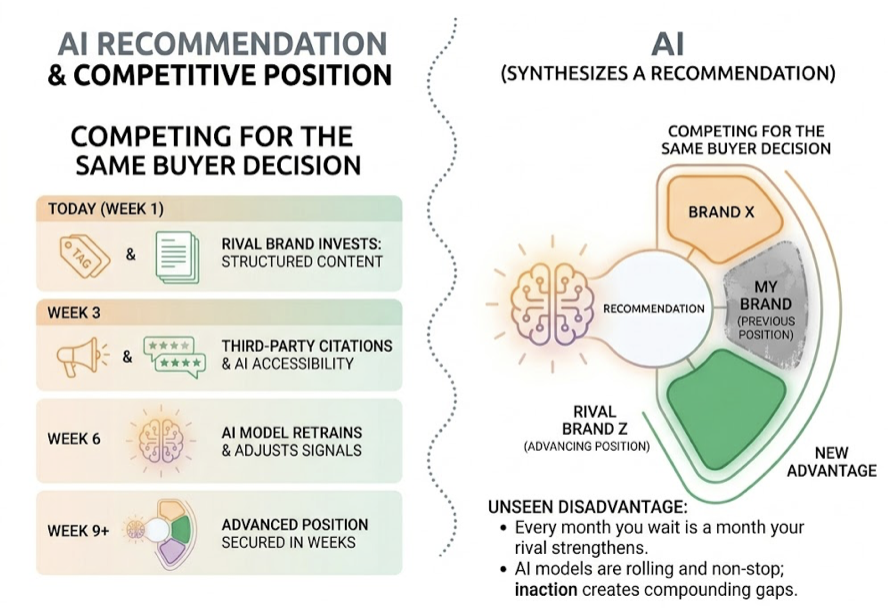
                Some brands believe they can wait for the AI landscape to settle before adapting. This is dangerous.

                AI models have “Training Memory.” Once a competitor establishes themselves as the dominant entity in the training data, displacing them becomes exponentially harder. The “First Mover Advantage” in GEO is stronger than in SEO because you are training a neural network, not just indexing a page.

                Consult our list of top AI marketing companies to see why Topify is the preferred partner for this transition.

                The Future: Agent-to-Agent Services

                As we look toward 2027, the role of the digital solution provider will expand further. We predict the rise of “Agent Optimization.”

                Strategies will not just optimize content for reading; they will optimize APIs for action. When a user’s personal AI agent tries to “Book a Flight” or “Buy Software,” your job is to ensure your API is the one the agent chooses to execute the transaction.

                Conclusion

                The digital agency model based on “Clicks” is in hospice care. The future belongs to institutions that understand “Citations.”

                For brands, this means moving away from partners who are still selling 2015 strategies and adopting direct solutions like Topify that allow you to understand vector embeddings, knowledge graphs, and sentiment velocity.

                Whether you use our platform to empower your team or rely on our strategic guidance, the mandate is clear: You must optimize for the machine that answers the question.

              23. Does an AI strategy replace my SEO strategy?

                Ideally, yes. A modern strategy should handle both traditional SEO (which is still the foundation) and GEO. Treating them as separate silos leads to disjointed strategies. Read why your brand needs a specialized AI SEO agency for more detail.

              24. Can I execute this strategy directly with Topify?

                Absolutely. Topify is designed specifically to empower brands to execute “Agency-Level” strategies directly, without the overhead and opacity of a traditional external firm.

              25. Why is this shift happening now?

                The adoption of ChatGPT and the integration of AI Overviews into Google Search (SGE) has reached critical mass. User behavior has permanently shifted from “Searching” to “Asking.”

              26. How do I measure the ROI of GEO?

                Look at “Blended CPA” (Cost Per Acquisition) and “Sales Velocity.” Often, GEO campaigns shorten sales cycles because the AI pre-educates the buyer.

              27. What tools are essential for this evolution? If you aren’t using a dedicated solution like best tools for tracking brand visibility, you are flying blind. You need visibility into the “Black Box” of AI generation to make informed decisions.